Liberia oil regulator plans first petroleum sector report in 2027
Liberia's petroleum regulator says its contribution to the national budget totals US$13.8 million over three years, and it wants to be judged on the oil companies it attracts and how well it regulates them, not on whether oil is found.

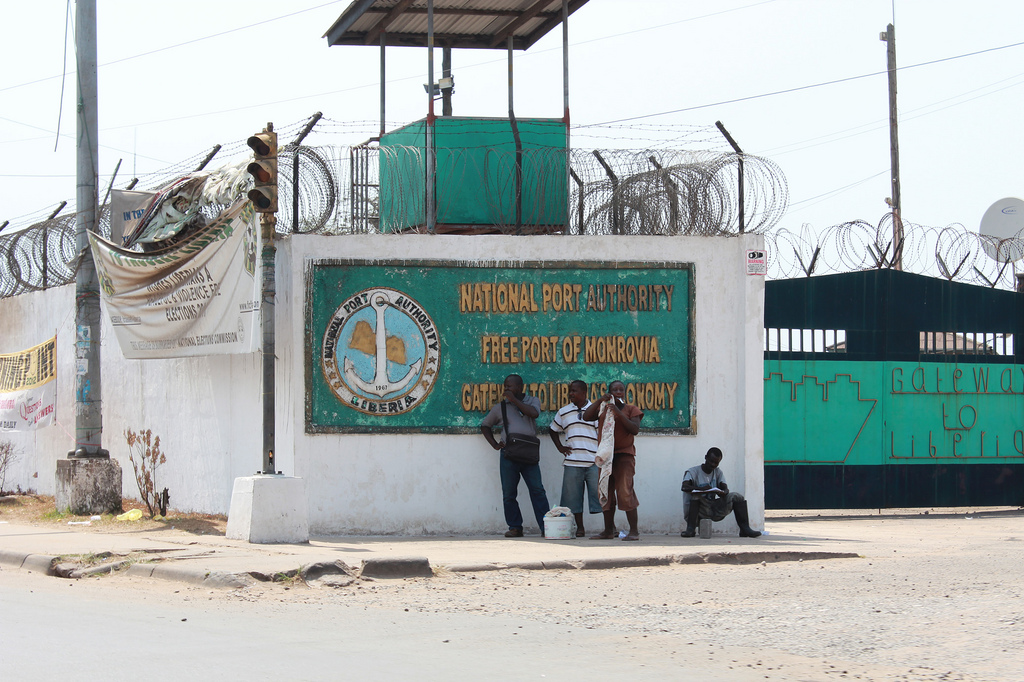
Liberia’s petroleum regulator, the LPRA (Liberia Petroleum Regulatory Authority), has launched a strategic plan for 2026 to 2030 that commits it to publishing its first State of the Petroleum Sector Report during 2027, and to open public reviews of its own progress in 2028 and 2030, according to reports from the launch (FrontPage Africa; The Liberian Investigator). The LPRA’s own statement confirms the plan but does not mention the report (LPRA).
Director General Marilyn T. Logan presented the plan to stakeholders on Thursday, Nov. 26, in Monrovia, at the Ellen Johnson Sirleaf Ministerial Complex. The Liberian Observer and a FrontPage Africa staff article carry the same text word for word, so The Signal counts them as one report. Two other outlets, FrontPage Africa (Patience M. Jones) and The Liberian Investigator (Lennart Dodoo), wrote their own accounts, and they agree on the plan’s dates, the eight contracts and the US$13.8 million figure. The Signal could not find the plan document published and has not seen it, so the details below are as Logan and other speakers described them at the launch.
Money and contracts
Logan said the authority’s contribution to the national budget totals US$13.8 million across three years, after it inherited tax arrears and almost no revenue flow to government, according to the reports. The LPRA’s statement repeats the US$13.8 million figure. She also described the regulator as one of Liberia’s 11 highest revenue contributors and its best-performing state-owned enterprise on revenue. Liberia Revenue Authority data on its top payers, reported by FrontPage Africa, put the LPRA ninth among the country’s ten biggest domestic revenue payers in 2026, and The Liberian Investigator reported that the LRA dashboard shows US$13.9 million paid by the LPRA so far this year. The Signal found no LPRA explanation of how that relates to its US$13.8 million figure for three years, and has not seen the dashboard itself. The Signal asked the LPRA on Friday how the two figures relate and had not received a reply by publication. No source we found checks the claim that it is the best-performing state enterprise.
She said Liberia had gone more than ten years without a new production sharing contract before her team took over in March 2024. “Within 18 months, we changed that story: we secured and signed eight production sharing contracts, and the Legislature has since ratified all eight,” Logan said.
Reconnaissance work is under way in the Harper Basin, she said, and she expects the 2026 direct-negotiation licensing round to do better than last year’s. The Signal reported on Nov. 21 that the round offers 15 offshore blocks, and that a West Point fishing leader said his community had not been properly consulted.
What the plan sets out
The plan names six priorities: managing petroleum rights and contracts, building Liberian technical skills, handling petroleum data, environmental and public-safety protection, stronger governance, and transparency with local participation.
Among the steps Logan announced:
- The authority’s whole technical department will train in petroleum data analysis in France in January 2027, followed by a second phase in Monrovia that other sector players can join.
- The LPRA and the Environmental Protection Agency will draw up joint rules, and inspectors will be trained in health, safety and environment audits. Operators’ safety plans are to be reviewed before work starts.
- Ground is due to be broken on a new headquarters, with a data processing and viewing center, in January 2027.
- The plan will be reviewed in public in 2028 and 2030. It runs in three phases: 2026–27, 2028–29 and 2030.
Who spoke
Samuel Stevquoah, Minister of State for Presidential Affairs, said President Joseph Nyuma Boakai wants Liberians to get a fair deal once oil companies start work. “Liberians really want to know whether they will have a fair share when oil companies begin operation in Liberia,” he said.
Stevquoah also called for a review of what he called “overlaps and ambiguities” between the LPRA’s and the National Oil Company of Liberia’s mandates, the Investigator reported. Robert Z. Sonkarlay, the LPRA’s director general for finance, said preliminary estimates put the plan’s cost at about US$3 million to US$4.2 million a year in 2026 and 2027, a planning figure rather than an approved budget, according to FrontPage Africa. “A plan that cannot be paid for is a wish list,” he said.
Bertrand Touze, a TotalEnergies vice president who is also its country delegate, said it has opened a Liberia office and expects about six vessels to arrive early in 2027 to back up exploration in its offshore blocks, according to the reports.
Rep. Sam P. Jallah, who chairs the House Committee on Hydrocarbon, pledged the Legislature’s support and said lawmakers would hold the LPRA to the plan’s targets.
Logan asked the public not to grade the regulator on luck. “We are optimistic about the future, but do not judge us by whether oil is found; geology is beyond our control,” she said. “Judge us by the quality of the companies we attract and by our readiness to regulate them in the interest of Liberia.”
The first public test of the plan will be whether the 2027 sector report appears on time.
More from Liberia
All Liberia →
From The Signal
Liberia and Africa's top stories, fact-checked, free
When a new briefing is ready
All regular topics by default; Breaking alerts are optional. Confirm by email, then change your picks anytime. Choose topics first. No spam. Unsubscribe anytime.