Court sets aside Phala Phala report behind Ramaphosa impeachment
A full bench of the Western Cape High Court ruled the 2022 Section 89 panel used the wrong legal test. The ruling is not a finding on what happened at the farm, and the ATM says it is weighing an appeal.
- : Correction: The dek said the ATM "says it will seek to appeal," and a heading called an appeal likely. ATM leader Vuyo Zungula said his party would engage its lawyers "for the purpose of appealing" the judgment, but reports on Nov. 26 from The National and The Mercury say the party is consulting lawyers and weighing an appeal, and The Mercury quotes him calling an appeal "one of the options we are considering." The story now says the ATM is weighing an appeal, notes that Jacaranda FM and TimesLIVE reported firmer statements of intent, and adds that the EFF says it intends to appeal. The Signal has seen no report that an appeal has been filed.
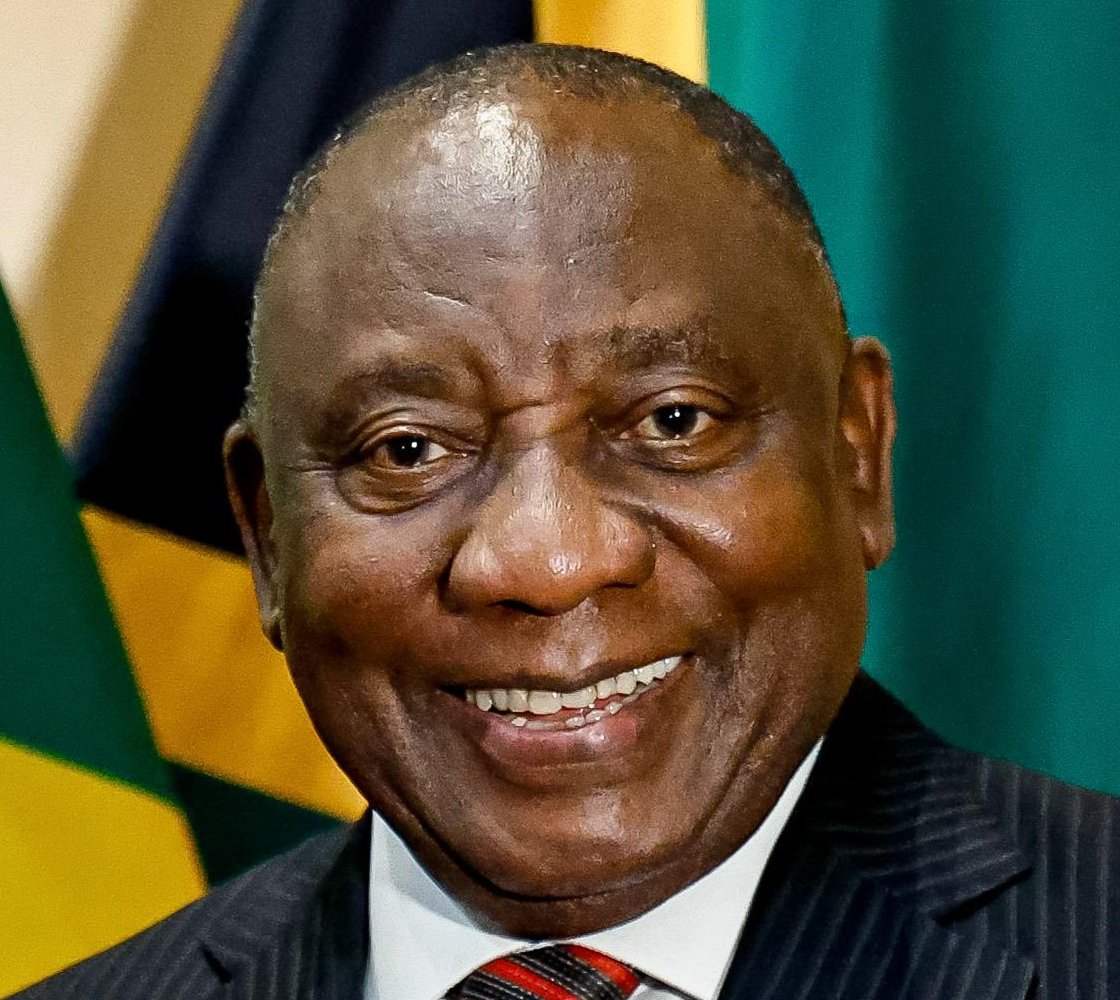
South Africa’s impeachment case against President Cyril Ramaphosa has lost its foundation, at least for now. On Wednesday a full bench of the Western Cape High Court declared unlawful the 2022 report of the independent Section 89 panel on the Phala Phala affair, set it aside in full, and also set aside every step the National Assembly had taken on the strength of it (EWN; News24; BBC News).
Judge President Nolwazi Mabindla-Boqwana read the unanimous judgment for a bench that also included Judges Mark Sher and Ncumisa Mayosi, News24 reported. The court ordered each party to bear its own legal costs (EWN).
The ruling is narrow in one important way. News24 noted that the court was not asked to decide whether Ramaphosa did anything wrong over Phala Phala, and it did not clear him. A political analyst quoted by the BBC, Khanyi Magubane, made the same point: this was a judgment on the panel’s report, not a criminal finding.
Why the court threw out the report
Sandile Ngcobo, a former Chief Justice, chaired the three-member panel. In 2022 it concluded that the information before it showed, on a prima facie basis, that the president may have a case to answer (News24; eNCA).
The judges held that this was the wrong bar. Under Rule 129G(1)(b) of the National Assembly’s rules, the panel had to find “sufficient evidence” of a serious violation or serious misconduct. “The panel did not state in its report that there was sufficient evidence showing that the president committed a serious violation or serious misconduct, only that the information before it prima facie disclosed a case to answer,” Mabindla-Boqwana said, according to News24.
The court also found that the panel strayed past the four charges it was given. News24 reported that additional material from the Economic Freedom Fighters and the African Transformation Movement (ATM) led the panel to comment on matters Ramaphosa had not been charged with. The judges said the panel leaned on an affidavit by Arthur Fraser, who once headed the State Security Agency and first took the matter to police, much of which they described as hearsay because he had no personal knowledge of the 2020 incident. The court concluded that the panel “fundamentally misconstrued its functions,” News24 reported.
How the case got here
The case grows out of a February 2020 break-in on Ramaphosa’s Phala Phala game farm in Limpopo, in which foreign currency hidden in a sofa was stolen. The BBC puts the sum at $580,000. Ramaphosa has said the money came from a legitimate sale of buffalo and has denied wrongdoing (BBC). Earlier this month, two people were convicted over the break-in (BBC; eNCA).
In December 2022 the National Assembly voted 214 to 148 against sending the panel’s report to an impeachment committee. In May 2026 the Constitutional Court overturned that vote and ordered a referral (News24). Ramaphosa filed his review on May 26, and the committee was set up on June 1. In July he obtained an interdict that stopped it from holding public hearings until Wednesday’s judgment (News24; eNCA; EWN).
Reactions, and a possible appeal
In a short statement, the Presidency said Ramaphosa “notes and will study” the judgment and that in asking for the review he “exercised a constitutional right” (The Presidency).
ATM leader Vuyo Zungula said his party would engage its lawyers “for the purpose of appealing this judgment,” arguing that it sets a dangerous precedent (Jacaranda FM; The Citizen). Reports differ on how firm that is. Jacaranda FM reported that the party says it will appeal, and TimesLIVE reported on Nov. 26 that ATM spokesman Zama Ntshona said it would consult its lawyers with a view to filing one. But The National reported on Nov. 26 that the ATM is consulting its legal team about a possible appeal, and The Mercury quoted Zungula: “an appeal is one of the options we are considering.” The Mercury said the party’s leadership will choose between that and refining the motion so a new panel could look at the matter again. The Signal has seen no report that an appeal has been filed. TimesLIVE also reported that the EFF has announced it intends to appeal. Zungula also said the ATM would approach other parties about a fresh panel. The ATM, the EFF, the MK Party and United Africans Transformation had all opposed Ramaphosa’s application (News24).
ANC MP Cameron Dugmore, who sits on the impeachment committee, welcomed what he called a “very decisive judgment” and said the report now has “absolutely no standing,” Jacaranda FM reported. The committee’s chair, Makashule Gana, said Parliament’s legal advisers had been asked whether a meeting planned for Thursday could still go ahead, and that Parliament would respect the judgment unless it is overturned on appeal.
Law professor Richard Calland told the BBC that the ruling leaves the impeachment process “dead in the water,” and that reviving it would need “a whole new basis.” If an appeal were to succeed, the BBC noted, the committee could resume its work, and removing a president would still need a two-thirds vote in the National Assembly.
More Africa
All Africa →- Photo: blk24ga, CC BY 3.0, unaltered
- Photo: Foreign, Commonwealth & Development Office, CC BY 2.0. Cropped by the Commons uploader
- Photo: U.S. Embassy Monrovia
From The Signal
Liberia and Africa's top stories, fact-checked, free
When a new briefing is ready
All regular topics by default; Breaking alerts are optional. Confirm by email, then change your picks anytime. Choose topics first. No spam. Unsubscribe anytime.