Cummings sets 10 conditions on Liberia's US$5.7 billion MIDA deal
The opposition ANC leader says Liberia must not trade future gold revenue for quick roads and power. The government says the deal adds no new debt, and Deputy Speaker Thomas Fallah warns against rushing it.
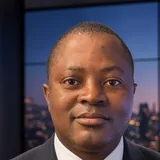
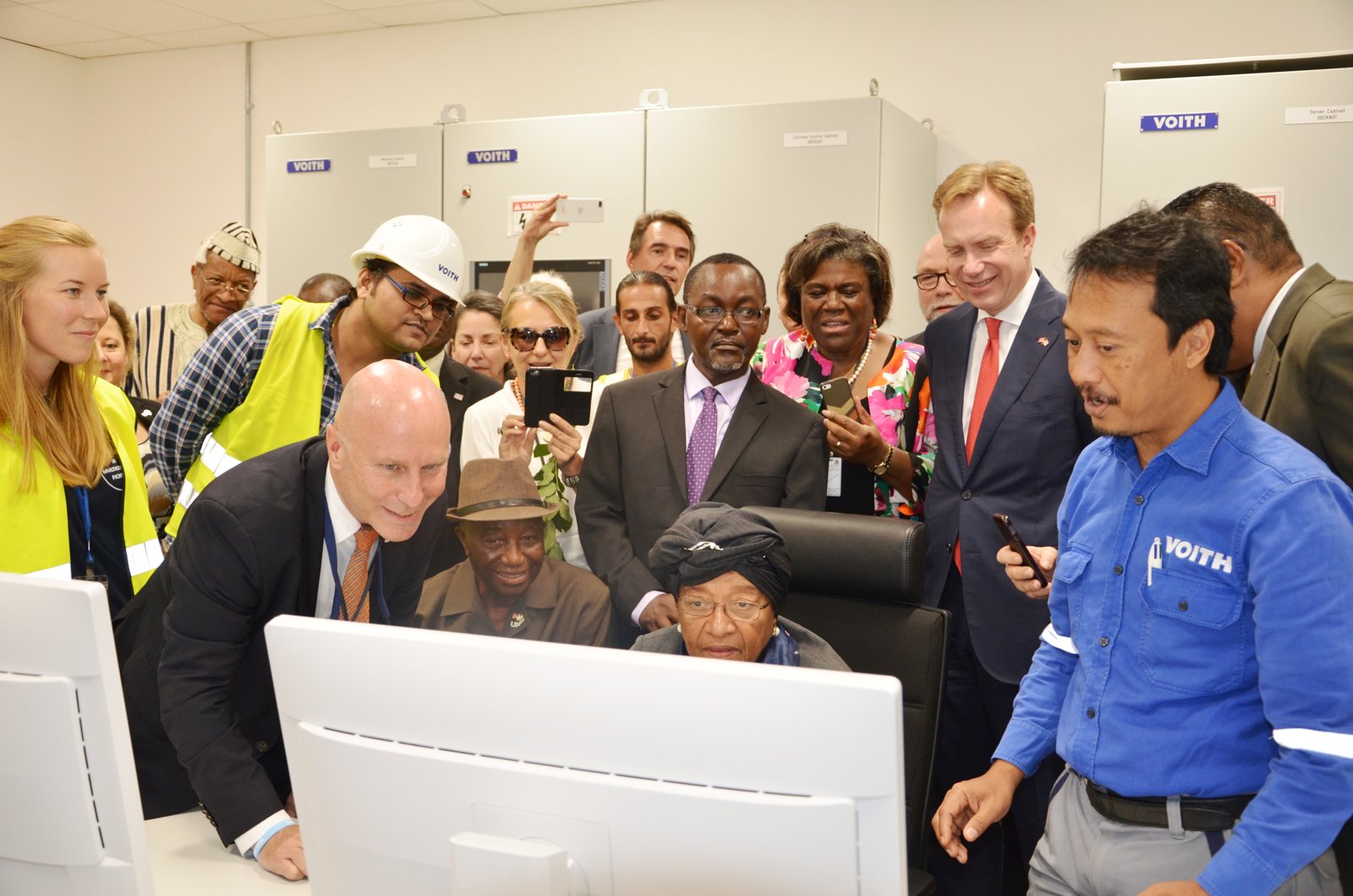
Alexander B. Cummings, political leader of the opposition Alternative National Congress (ANC), has asked President Joseph Nyuma Boakai to hold off on the US$5.7 billion Master Infrastructure Development Agreement (MIDA) until ten safeguards are in place, warning that Liberia could end up paying for roads and power with decades of mineral income (Liberia Excellent News; FrontPage Africa).
Cummings spoke on Thursday, Nov. 26, a day after Boakai signed the agreement with Bea Mountain Mining Corporation (BMMC). FrontPage Africa described the remarks as a news conference; Liberia Excellent News reported them as a statement.
“We must not become an Esau Generation,” Cummings said, pointing to the biblical figure who gave up his birthright for one meal (FrontPage Africa).
What the deal promises
According to FrontPage Africa, the agreement is meant to deliver four new power plants adding 270 megawatts (the Liberian Observer reported the plants have “the potential to support more than 1,000 megawatts in the future”; the agreement lists 270), plus a national grid of transmission lines and, over five years, 14 big road and bridge projects that include a 146-kilometer highway. Boakai said the government would set aside new gold revenue from BMMC starting in 2027 to pay for the work, and BMMC agreed to provide US$500 million in bridge financing so that construction stays on schedule.
The government insists this is not borrowing. “So we are not going to be adding to the government’s debt, and that is a big deal for all of us,” said Keita, the President’s legal adviser, as quoted by FrontPage Africa. The government says the deal includes audit rights, an owner’s engineer to watch each stage of the work, and, in Keita’s words, an agreement that the company can be fined “if they ever overcharge us.”
Cummings’s case
Cummings rejected the idea of a free project. “There is no such thing as free infrastructure. Someone ultimately pays,” he said, according to FrontPage Africa.
Liberia Excellent News listed his concerns: a possible breach of Liberia’s procurement and concessions law, the absence of competitive bidding or of independent valuation and engineering checks, the risk of overpricing, deductions taken automatically from future government revenue, large contingent liabilities, environmental and social risks, and possible conflicts of interest.
His conditions, as reported by the two outlets, include publishing every transaction document, legislative review with public hearings, an independent debt sustainability and fiscal risk analysis, competitive procurement, environmental and social impact studies, review by credible international transaction advisers, and independent certification of project costs and finished works.
He said he is not against the projects. “We are not opposed to infrastructure development. We are not opposed to investment,” Cummings said. “What we oppose is lack of transparency” (FrontPage Africa). Liberia Excellent News quoted him as saying “Liberians should never be forced to choose between development and transparency.”
FrontPage Africa, in an analysis of both men’s speeches, noted that Cummings did not cite a clause, figure or document for his warning that royalties, taxes and dividends could be diverted to repayment for decades. It also cited Liberia Extractive Industries Transparency Initiative (LEITI) figures putting government revenue attributed to Bea Mountain at about US$33.47 million in fiscal 2023, far below the scale of the program, while noting that gold prices have risen since.
The Legislature’s turn
Deputy Speaker Thomas P. Fallah told the Liberian Observer in an interview on Thursday that he finds the deal “laudable” because poor roads and power have held the country back. He cited the recent outage at the Mount Coffee hydro plant. “There is no perfect concession,” he said.
But Fallah said it was too early to say how he would vote, and warned against pushing the deal through in a hurry. In that interview he said the document had not yet reached the Legislature.
Other reports say it has since arrived. FrontPage Africa reported that Boakai sent the agreement to the House of Representatives with a request that lawmakers ratify it, and that the House referred it to two committees, one on concessions and investment and one on public works, which have two weeks to report to the full chamber. The Liberian Investigator and the New Dawn also reported the referral and dated it Thursday. The Signal has not seen the House’s own record, and none of the reports says whether the referral came before or after Fallah spoke.
What lawmakers will weigh, FrontPage Africa’s analysis said, is how much extra gold revenue the plan assumes and what happens to repayment if gold prices fall. The paper said neither Boakai in his signing speech nor Cummings in his response put those numbers before the public.
More from Liberia
All Liberia →
From The Signal
Liberia and Africa's top stories, fact-checked, free
When a new briefing is ready
All regular topics by default; Breaking alerts are optional. Confirm by email, then change your picks anytime. Choose topics first. No spam. Unsubscribe anytime.