Jobs, prices and delayed justice frame Gambia's Dec. 5 vote
Ten days before polling day, eight candidates are vying for the presidency as voters weigh power cuts, youth unemployment, high prices and slow progress on Jammeh-era accountability.
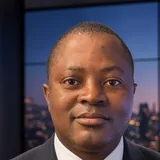
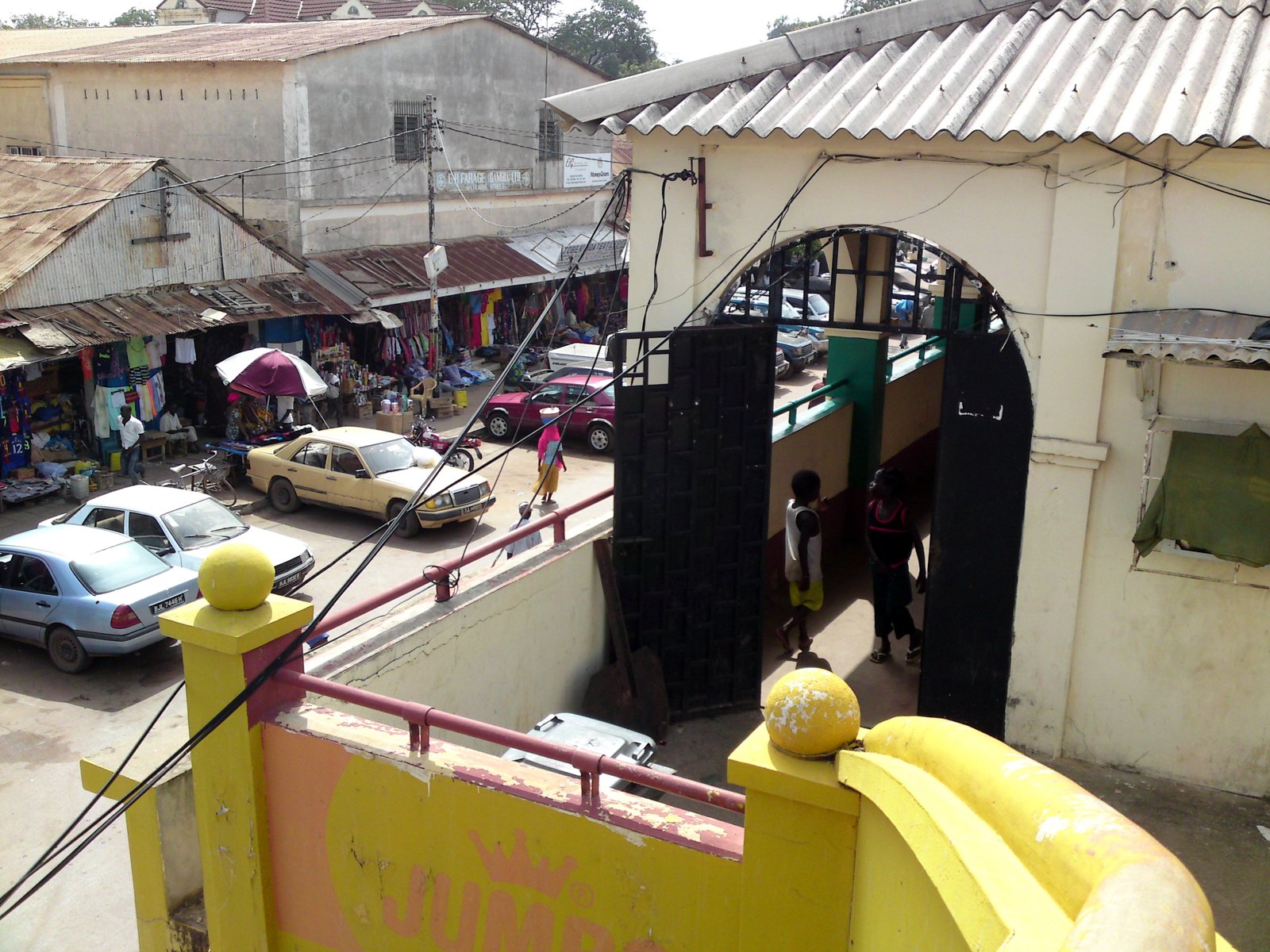
Ten days out from The Gambia’s Dec. 5 presidential election, voters say unreliable power, scarce jobs, rising prices and slow justice for past abuses are the tests that will define the next five years (Al Jazeera).
Eight candidates remain on the ballot after the official withdrawal window closed on Tuesday night, The Standard reported on Wednesday; Independent Electoral Commission (IEC) spokesman Pa Makan Khan told the paper he knew of no official withdrawals. Earlier, the IEC had cleared nine contenders out of 16 who filed papers, before National Builders Party nominee Ansu Sanneh withdrew, which the IEC confirmed on Nov. 18 (The Alkamba Times). Campaigning runs from Nov. 16 to Dec. 3, and on Nov. 19 the IEC reminded candidates to follow the agreed campaign itinerary so rallies do not clash.
Economic strain and migration pressure
Nearly a decade after former president Yahya Jammeh left office in 2017 after 22 years in power, everyday economic pressures dominate voter interviews. Restaurant owner Sosseh Jagne told Al Jazeera that power cuts that sometimes lasted 19 hours or longer between August and October cost her more than 40,000 dalasis ($532) in spoiled food.
Official 2025 labour data cited by Al Jazeera put national unemployment at 8.3%, up from 7.6% in 2022–23, with 11.5% joblessness among 15-to-35-year-olds and 41.3% of that group out of work, school and training. A 2020 poverty survey found 53.4% of Gambians lived below the national poverty line, rising to 76% in rural areas. Lack of opportunity continues to drive risky sea crossings: UN Special Rapporteur Morris Tidball-Binz said after an October visit that independent counts logged 1,603 Gambian migration deaths in 2024 and 893 in 2025, mostly at sea, and IOM figures show at least 408 Gambians listed as missing since 2014 (Al Jazeera).
Unfinished justice and constitutional reform
Victims of Jammeh-era abuses say promises made after 2017 remain incomplete. Kebba Jome, who coordinates the “Gambia Centre for Victims of Human Rights Violations”, told Al Jazeera that fewer than a quarter of the Truth, Reconciliation and Reparations Commission’s 263 recommendations have been carried out in full, though a special tribunal is expected to open hearings early next year.
Replacing the 1997 Constitution has also stalled since a 2020 draft, which included a two-term presidential limit, failed to clear Parliament’s two-thirds threshold (Al Jazeera).
Where the major candidates stand
Incumbent Adama Barrow of the National People’s Party (NPP) is seeking a third term. At a rally in Choya reported Wednesday by The Voice, Barrow cast his campaign as an “accountability tour,” attacked challenger Talib Ahmed Bensouda’s eight-year record as Kanifing mayor and argued his administration has protected citizens’ freedoms. He has blamed opposition resistance for the 2020 constitutional failure and pledged to revisit reform if re-elected (Al Jazeera).
United Democratic Party (UDP) leader Ousainou Darboe, the Gambia First Coalition’s candidate, promises to bring back the 2020 draft constitution within 100 days, serve a single five-year term, trim the presidency’s budget and fix power, water and health services (Al Jazeera). Speaking after tours of the Upper River and North Bank regions, Darboe told The Voice on Nov. 24 that large night-time crowds showed his campaign was gaining momentum and urged undecided voters to back the UDP as the strongest alternative—a self-assessment of momentum that The Signal has not independently verified.
Bensouda, the former Kanifing mayor running for UNITE / Coalition 2026, has campaigned on enforcing the death penalty for murder and on separating the attorney general’s office from the justice ministry, and has called Barrow’s promise of a two-term limit unconvincing after a decade in power (The Fatu Network). In Niamina this week he also promised a fund for women gardeners and vocational training for young people (Foroyaa). He is joined by independent Isatou Touray, a former vice president campaigning with a broom symbol on pledges of a new constitution and better living conditions to become the country’s first woman president, and independent Almameh Gibba, who has pledged to help bring Jammeh back from exile (Al Jazeera). Also on the ballot are Ebrima Tabora Manneh (People’s Alliance Party, PAP), Modou Lamin Sima (Alliance of Progressive Citizens, APC) and Lamin J. Darbo, who runs as an independent with Team Gambia Grand Coalition backing (IEC; The Standard; Dubawa). Two recent polls disagree on the size of Barrow’s lead. Gambia Participates’ third-round survey, published Nov. 18, put Barrow on 28%, Darboe on 25% and Bensouda on 24%, with 19% undecided; the group says it interviewed 1,861 voter-card holders between Oct. 20 and Nov. 4 (AllAfrica/The Point; The Standard). A poll by the Gambian research group CepRass, released Nov. 16 and based on 1,180 face-to-face interviews between Oct. 17 and Nov. 1, put Barrow on 37.9%, Darboe on 24.2% and Bensouda on 11.3% (The Point; The Alkamba Times). Both groups present their figures as a snapshot of opinion at the time of fieldwork, not a forecast of the result.
More Africa
All Africa →- Photo: blk24ga, CC BY 3.0, unaltered
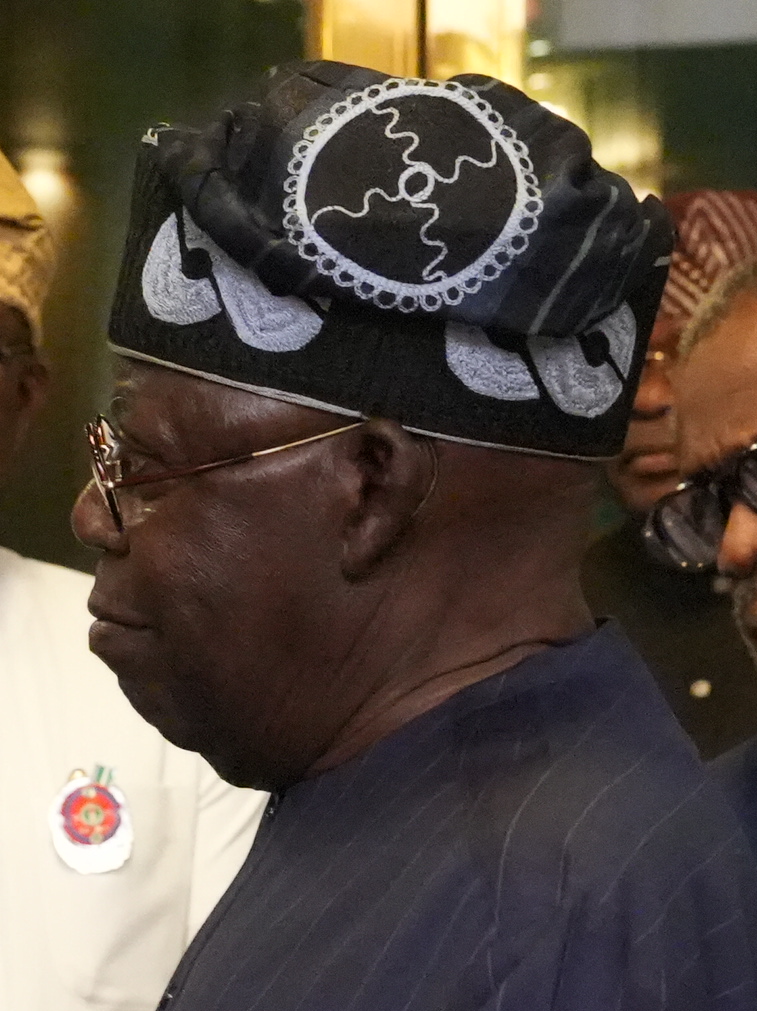
- Photo: Foreign, Commonwealth & Development Office, CC BY 2.0. Cropped by the Commons uploader
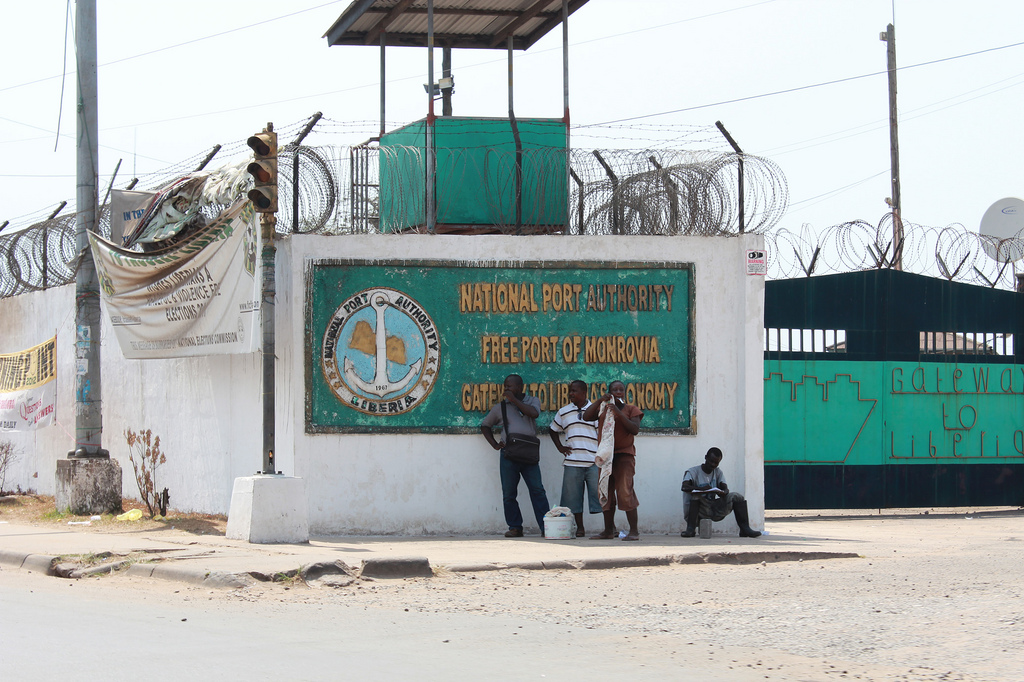
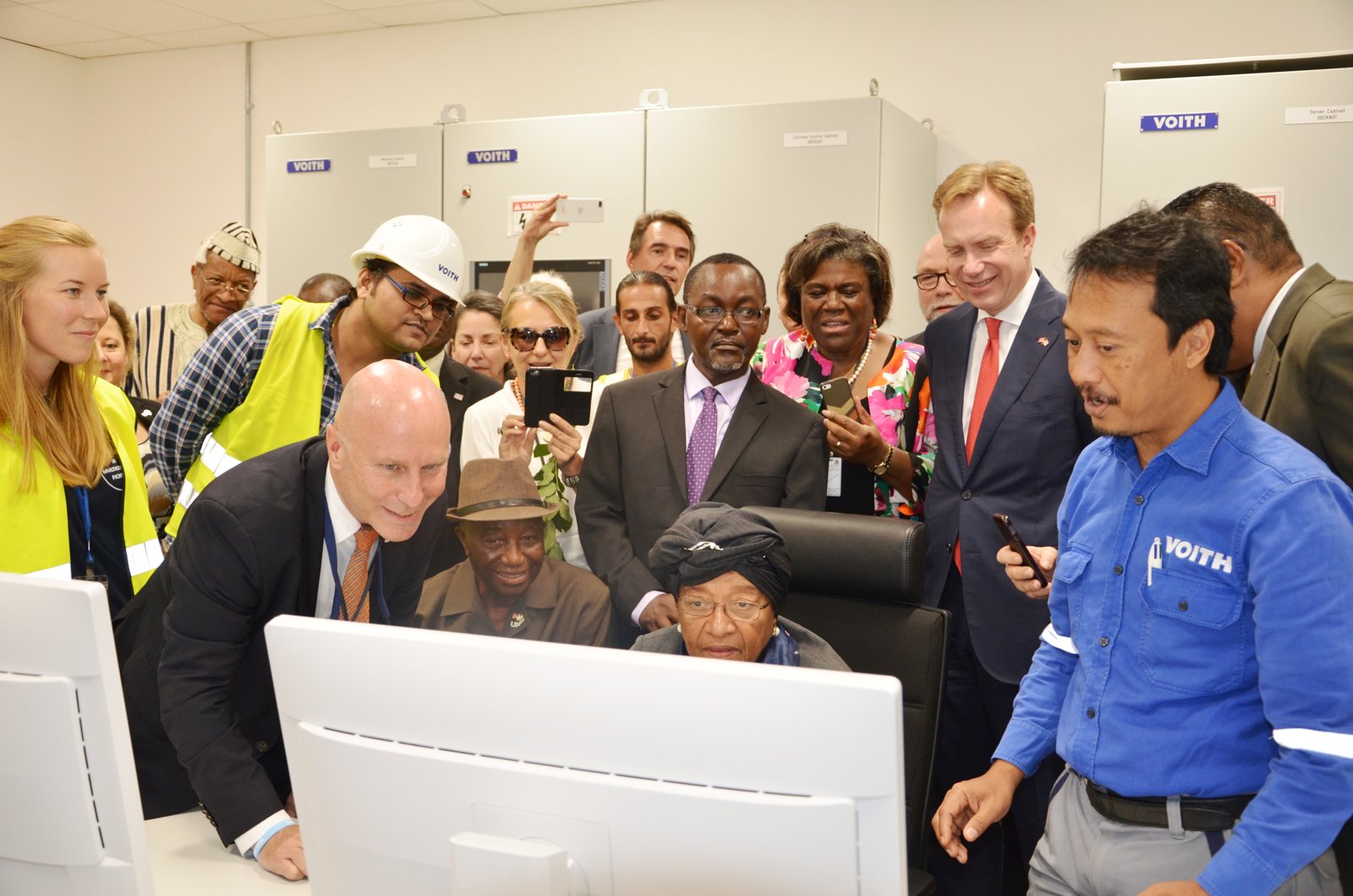
- Photo: U.S. Embassy Monrovia
From The Signal
Liberia and Africa's top stories, fact-checked, free
When a new briefing is ready
All regular topics by default; Breaking alerts are optional. Confirm by email, then change your picks anytime. Choose topics first. No spam. Unsubscribe anytime.