COP31 ends without a climate pact: no fossil-fuel deal, and Africa's $120bn adaptation target is not agreed
The UN climate talks in Antalya ended on Sunday without a cover decision. The EU, the UK and others rejected a draft that did not mention fossil fuels. A $120bn adaptation-finance figure sought by African countries was not agreed.

- : Correction: An earlier version of this story described Ghana's environment minister, Zanetor Agyeman Rawlings, as chair of the African Group of negotiators. The group's chair at COP31 is Antwi-Boasiako Amoah (African Climate Wire).
- : Update: The story now reports that COP31 ended on Sunday, Nov. 22, without adopting a cover decision, after the EU, the UK and others objected to a draft that did not mention fossil fuels. The headline, dek and status line have been revised, and the status-check time was refreshed to 10:41 a.m. ET.
- : Update: The summary now says a late-night plenary has begun clearing less contentious texts while the main deal remains unresolved, replacing an earlier line that a plenary was being planned for Sunday morning. The status check time was refreshed to 4:45 p.m. ET.
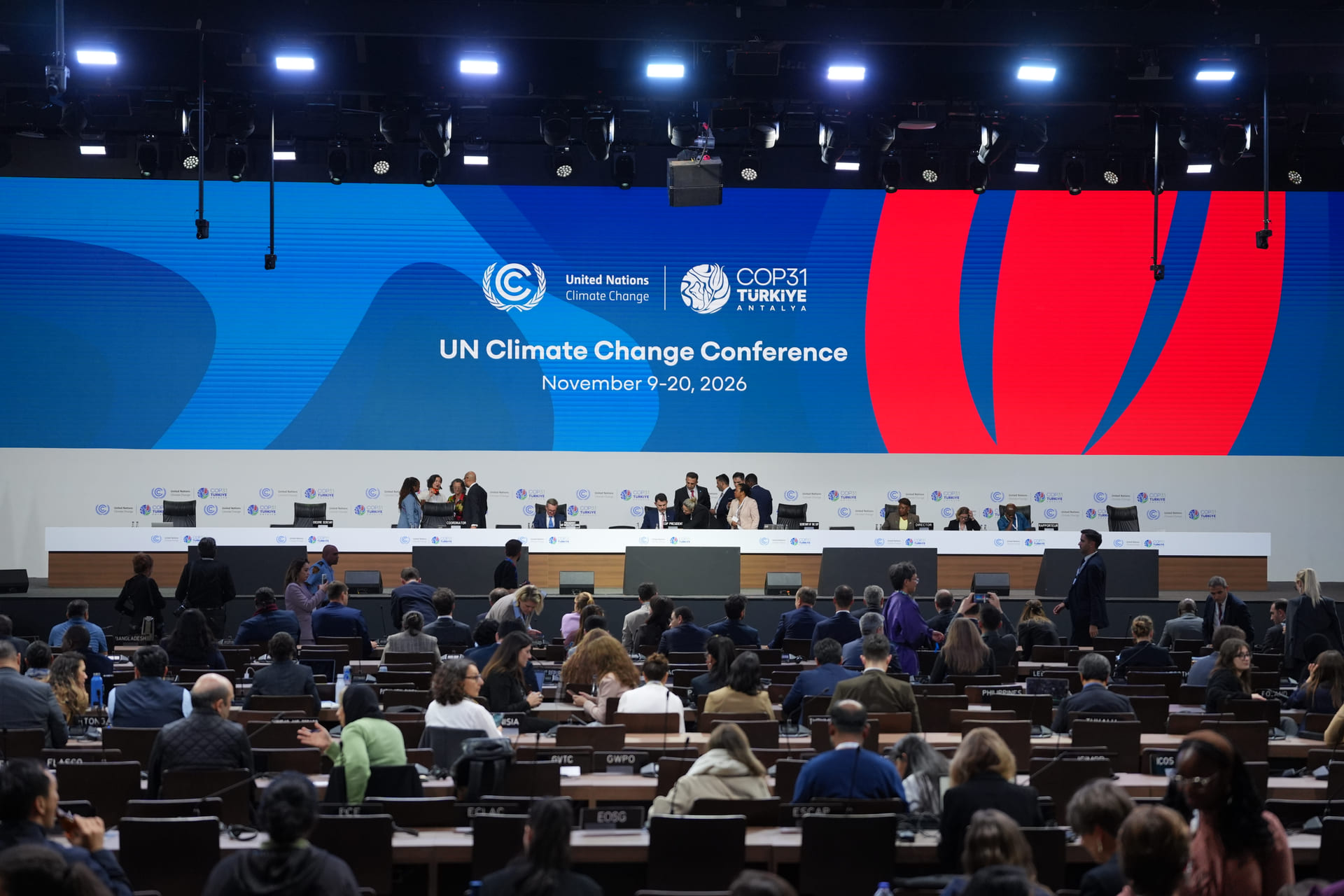
The UN climate summit in Antalya, Türkiye, ended on Sunday without a cover decision, the main political text of the meeting. The Signal last checked that outcome at 10:41 a.m. ET. COP31 President Murat Kurum told delegates: “I understand that there is no agreement on this text. For that reason, these decisions have not been adopted” (UN News; CBS News; The Guardian).
The conference had been due to close on Friday. Negotiators instead ran two days into overtime. The BBC and CBS both described the meeting as the longest COP on record. The draft on the table, called the Antalya Pact, did not mention fossil fuels. The European Union, the UK, Panama, the Marshall Islands and Norway were among those that objected (Guardian; BBC).
UN News reported that Ghana, speaking for the African Group, said it would not block consensus, even as it criticised gaps on climate finance, loss and damage and a just transition, which it said received “a single generic sentence.”
Why the main text fell
The core fight was over whether the final text should refer to a “transition away from fossil fuels,” language countries adopted at COP28 in Dubai in 2023. By Saturday, later drafts had already dropped any such reference, the BBC reported. The Sunday text still did not include it.
Darragh O’Brien, Ireland’s environment minister, said on the EU’s behalf that the bloc would not endorse a decision that “does not even mention fossil fuels” and that “failed to meet the moment” (Guardian).
Saudi Arabia, speaking for Arab states, defended the text’s references to carbon capture and storage (UN News). Russia opposed any commitment to phase out fossil fuels (BBC; Politico). China said it had concerns but would accept the text, the BBC reported. Kurum said there would be no further draft (BBC).
The cover decision was not the only item. The Guardian reported that the presidencies avoided an outright collapse by passing decisions on other matters, and said these included the “just transition” for workers in high-carbon industries. The Signal could not confirm that decision in an official UNFCCC record. Politico reported that several mandated decisions were finished and that others were left for next year’s talks in Ethiopia (Politico). A completed official UNFCCC report listing every adopted and deferred item was not available when we checked.
Adaptation money
African negotiators had spent the summit pressing for a firm commitment on money to help poorer countries cope with a hotter climate. Earlier drafts pointed to raising adaptation finance to $120bn by 2035, a target African countries had pushed developed countries to back (BusinessDay). That figure was already gone from later texts (BBC). Deutsche Welle, describing the rejected Sunday draft, said it had proposed further talks on “an implementation pathway for tripling adaptation finance by 2035” but did not name a number (DW).
Because the cover decision was not adopted, that pathway was not agreed either. No new, quantified adaptation-finance target was locked in at Antalya.
Earlier in the talks, Ghana’s environment minister Zanetor Agyeman Rawlings had said: “We did not come here to beg, we came here to claim what is rightfully ours” (BBC).
A Liberian-born minister objects
Miatta Fahnbulleh, the energy secretary who led Britain’s negotiating team, joined the formal objections. In a statement, she said: “The moment required bold ambition, and we have been working tirelessly to try to build consensus. It is immensely disappointing we have been unable to do so” (Politico; also reported by The Independent). A separate official position from her department said the United Kingdom “does not believe the cover decision proposed by the Presidencies meets the moment” and that it “moves us backwards on the science” (GOV.UK).
At the plenary, UK spokesperson Kate Hughes called the draft the “lowest common denominator” and named adaptation finance as one of the areas where the UK said ambition had fallen short (BBC).
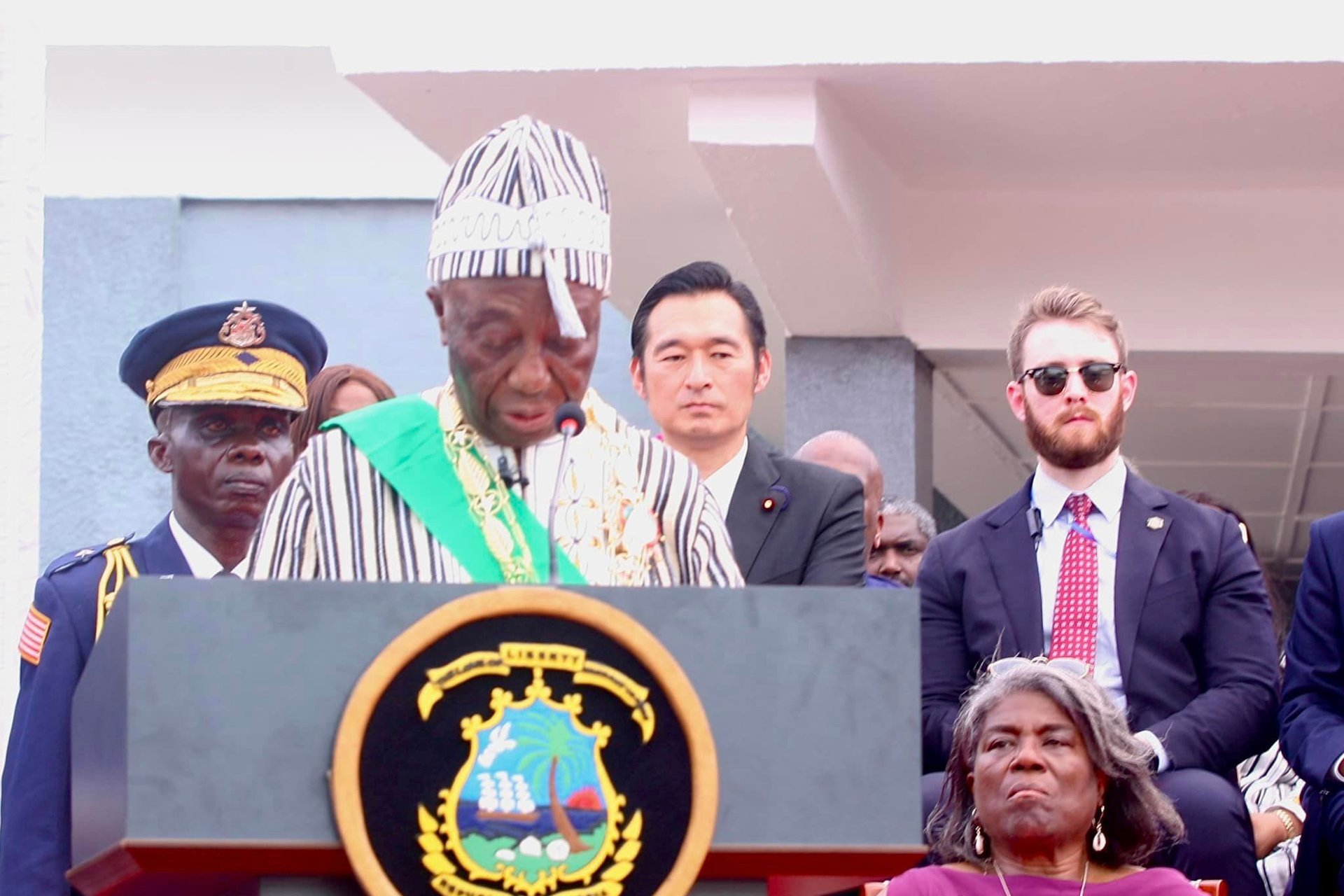
Fahnbulleh was born in Liberia in 1979 and came to Britain at the age of six with her parents, who sought asylum as tensions rose ahead of Liberia’s first civil war (Guardian). Her father, Dr. Henry Boimah Fahnbulleh Jr., a minister in Samuel Doe’s government (Guardian, 2024), later served as a security adviser under President Ellen Johnson Sirleaf (FrontPageAfrica). She has represented Peckham in Parliament since 2024.
On Saturday she had sounded more hopeful. “These are difficult negotiations, but discussions remain productive and there is a deal to be done,” she said (BBC).
UN Secretary-General António Guterres said he was “deeply disappointed”. “There may be no consensus in the negotiating room. There is no ambiguity in the science,” he said (UN News).
What comes next
The next climate summit, COP32, is due in Addis Ababa in 2027 (GOV.UK; DW). The UK said it was ready to return there and, in the meantime, to work with partners on a process on adaptation finance “to clarify the baseline, track implementation and improve access” (GOV.UK). That is a British pledge, not a decision of the conference.
Why it matters for Liberia
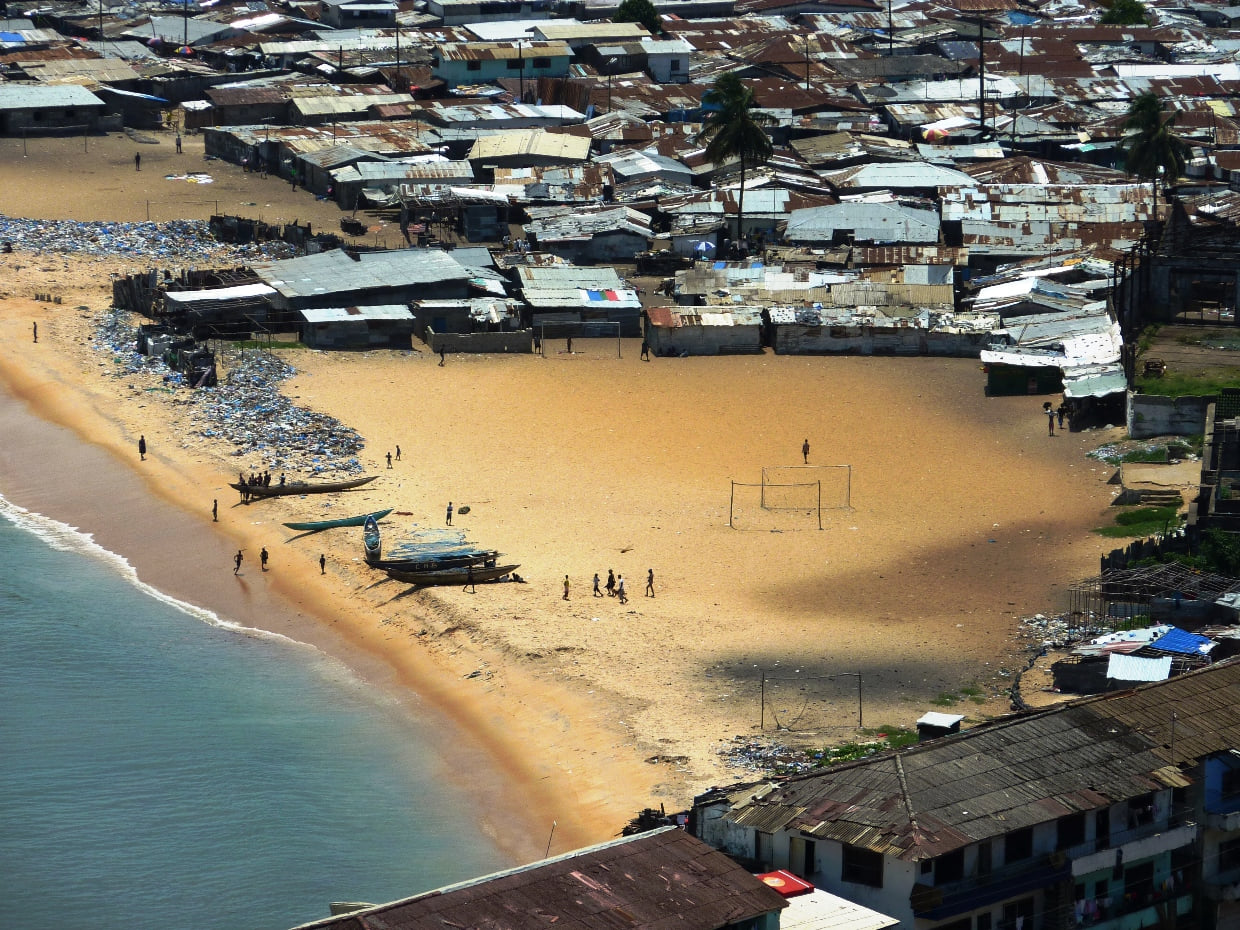
Liberia’s coast is eroding, and its fishing towns are the kind of communities adaptation money is meant to help. At the same time, Liberia is courting oil companies for 15 offshore blocks, with bids due in April (The Signal).
More from Climate, Energy & Mining
All Climate, Energy & Mining →- Photo: U.S. Embassy Monrovia
- Photo: franek2, CC BY-SA 3.0
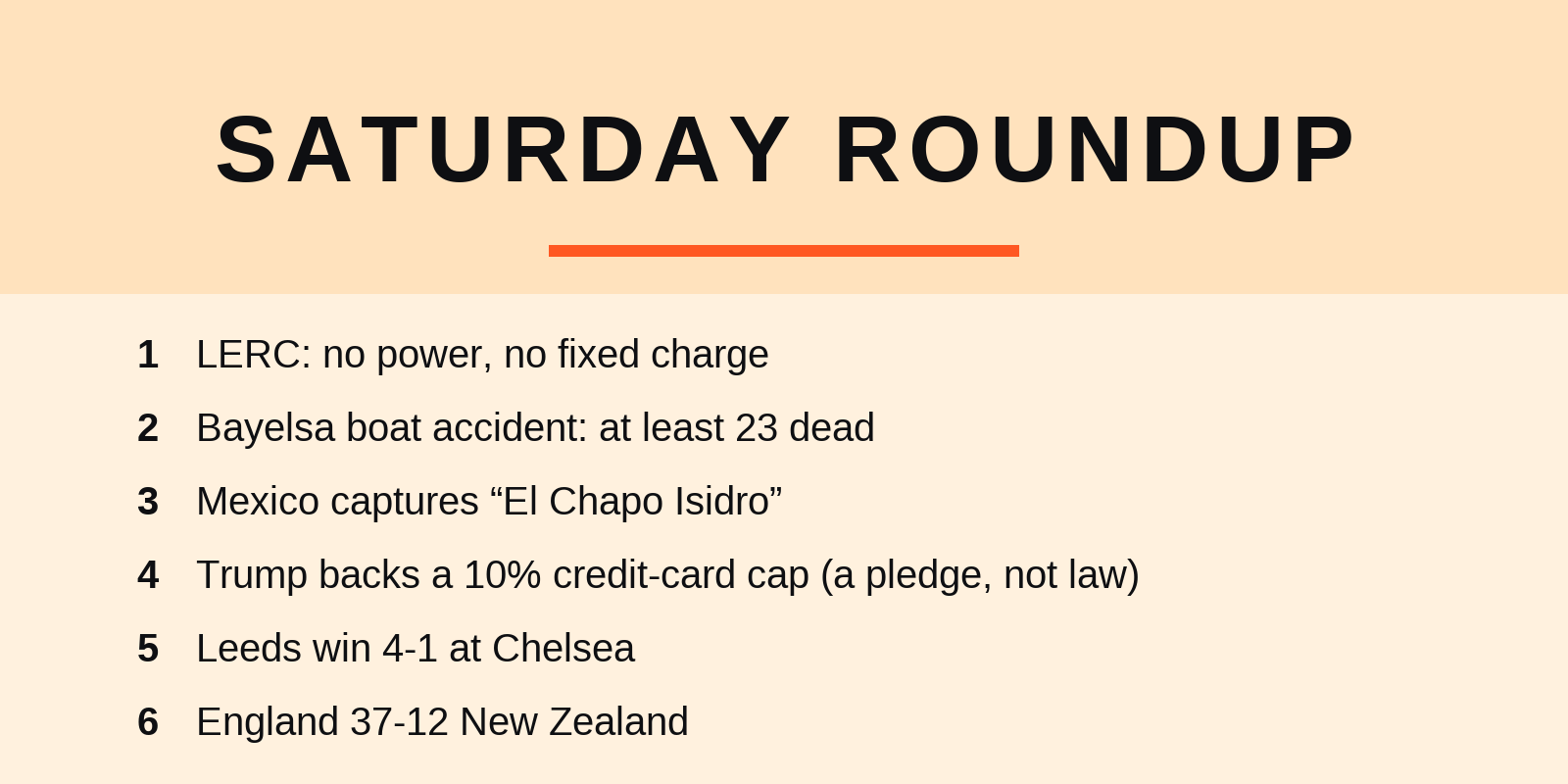
- Illustration: The Signal
From The Signal
Liberia and Africa's top stories, fact-checked, free
When a new briefing is ready
All regular topics by default; Breaking alerts are optional. Confirm by email, then change your picks anytime. Choose topics first. No spam. Unsubscribe anytime.