Boakai receives proposed US$5.7 billion Bea Mountain plan for power plants and roads; formal signing set for Nov. 25
The government says extra gold-revenue payments from Bea Mountain Mining Corporation would help pay for 270 megawatts of new capacity and major roads. After signing, the deal goes to the Legislature.

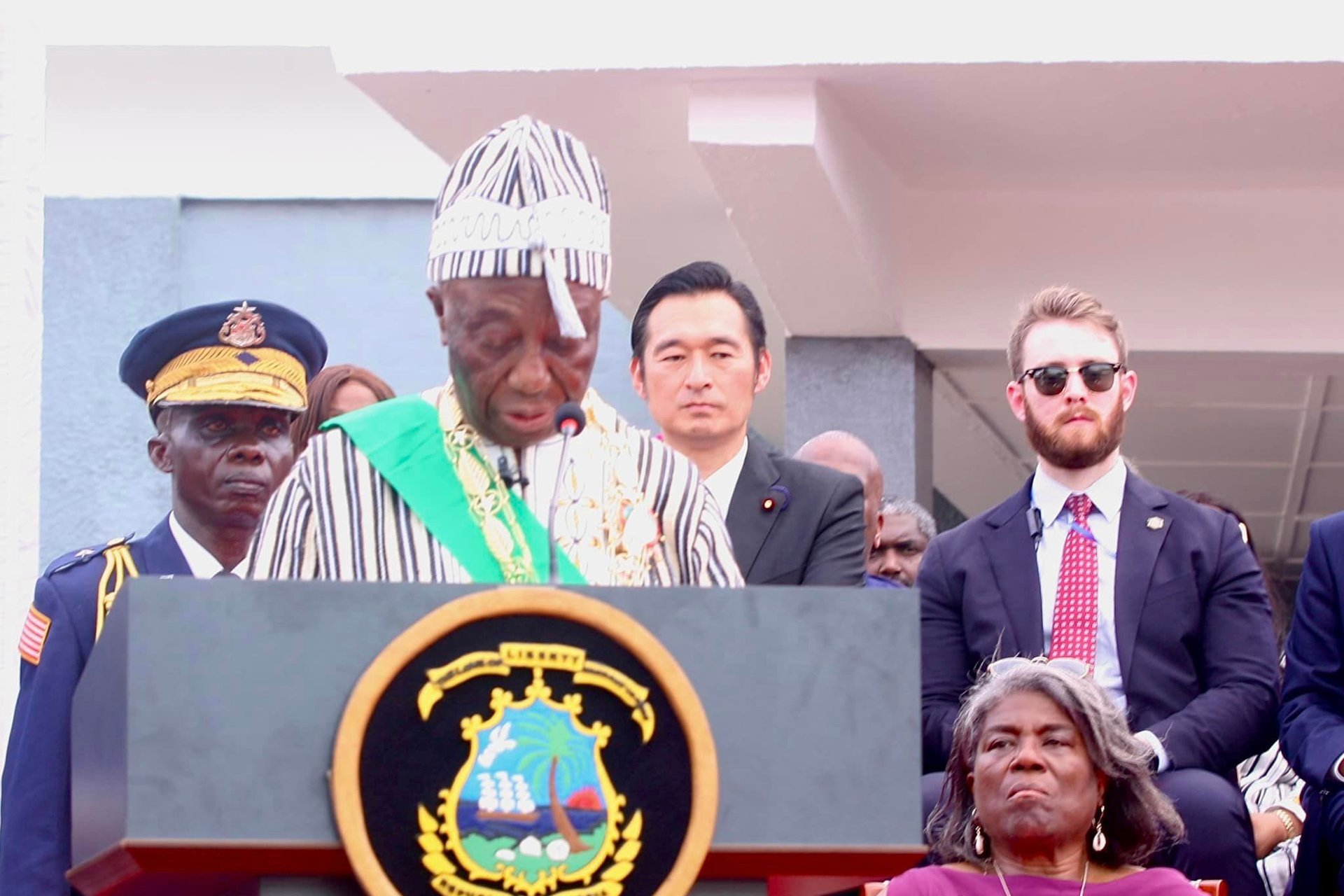
President Joseph Nyuma Boakai on Sunday received a US$5.7 billion infrastructure package that his government negotiated with Bea Mountain Mining Corporation (BMMC), according to the Ministry of Information, Cultural Affairs and Tourism and two Liberian outlets (MICAT; Liberia News Network; GTV Online News).
The package, called the Master Infrastructure Development Agreement (MIDA), was handed to the President by the Interministerial Concession Committee after what the ministry described as months of negotiations. It pairs new power generation with a national road program, and the government says it would be partly paid for with extra payments the mining company owes because gold prices have risen.
Where the deal stands
MICAT’s statement says the agreement has been “concluded.” Liberia News Network and GTV both call it a proposed agreement. All three say the formal signing is scheduled for Wednesday, Nov. 25, 2026, and that the agreement will then go to the Legislature for consideration. The Signal is treating it as a negotiated plan that has not yet been signed or ratified.
The power plan
MICAT says the agreement would add 270 megawatts of generating capacity, spread across four plants:
- a hydro plant of 100 megawatts on the Via River;
- a 100-megawatt plant on the St. Paul River, known as SP3;
- a 10-megawatt plant, SP4, also on the St. Paul;
- a biomass plant of 60 megawatts near the planned Via dam.
Three reservoirs, together able to store 10 billion cubic meters of water, would keep the hydro plants supplied when river levels drop. The ministry itself cautions that actual generation will hinge on rain, the state of the rivers and the way the plants are run.
For transmission, the plan lists a 150-kilometer main line from the new plants to the Mount Coffee substation, a second 150-kilometer line running from the Via site to Nimba County, plus a five-kilometer line for Bong County, with a substation for each of the Nimba and Bong projects. Another US$230 million is set aside for substations, transformers and other upgrades to the national grid.
Roads
The road component centers on what the government calls the Liberia Development Road, a 146-kilometer highway corridor meant to tie the power sites to key facilities. MICAT says a separate US$1 billion would pay for more roads connecting regions across the country. GTV reported that the program is meant to spur economic activity across all 15 counties.
How it would be paid for
The government says it would reserve additional revenue payable by BMMC, which it links to higher gold prices, to help finance the program, while the company continues its regular payments into the Consolidated Account. MICAT describes this as “innovative financing to reduce Liberia’s debt burden,” and GTV reported the administration as saying the arrangement would not put additional pressure on public debt.
The Signal has not seen the text of the agreement or a breakdown of how the US$5.7 billion total is made up. The dollar and megawatt figures come from the government.
Timeline and jobs
The agreement sets a five-year implementation period, with the biomass plant and the transmission lines due within two years, according to MICAT and both outlets. The ministry says building and running the projects would bring jobs and training in engineering, construction and power operations, and it ties the program to Boakai’s ARREST Agenda for Inclusive Development.
In its analysis, Liberia News Network said the scale of the plan makes transparency and delivery essential. It said the government and the Legislature would need to examine the financing, the effect on public revenue, environmental and social safeguards for the dams and reservoirs, and commitments on hiring Liberians.
What to watch
The Nov. 25 signing, publication of the agreement text, and how the Legislature handles it.
More from Liberia
All Liberia →
From The Signal
Liberia and Africa's top stories, fact-checked, free
When a new briefing is ready
All regular topics by default; Breaking alerts are optional. Confirm by email, then change your picks anytime. Choose topics first. No spam. Unsubscribe anytime.