Mo Ibrahim to African governments as aid falls: 'Stop relying on the kindness of strangers'
The billionaire's governance index finds slight improvement over a decade but worse security and rule of law. He says parts of a 'conflict arc' from the Atlantic to the Horn are becoming 'ungovernable'.
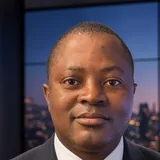
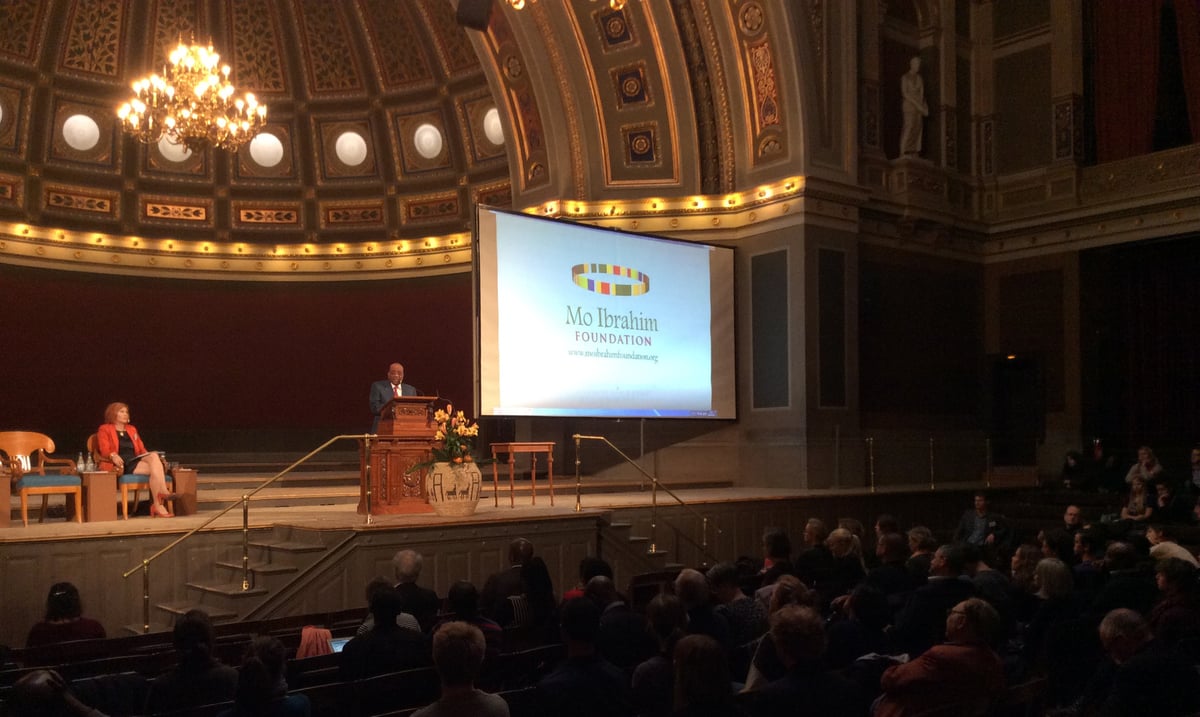
African governments should treat the slump in foreign aid as a chance to take charge of their own development, Mo Ibrahim told Reuters in Cairo (CNBC Africa/Reuters). “Africa needs to own its own future and its own economy,” he said. “The message here is: Stop relying on the kindness of strangers.” Responsibility for services such as healthcare and education, he added, falls primarily to governments.
His foundation’s 2026 governance index found a slight improvement in overall governance over the past decade, despite worse security, rule of law and respect for civil rights, Reuters reported. Continent-wide, gains in economic opportunity and human development — including infrastructure, health and education — helped offset the security decline. The picture is uneven. Ibrahim said the index showed a “concerning” deterioration across all four of its major categories in Nigeria, while South Africa continued to slide. Countries along a “conflict arc” from the Atlantic through the Sahel to the Horn were becoming “ungovernable,” he said.
Aid from the world’s richest nations fell 23.1% in 2025, the largest annual drop on record, Reuters said, a decline it tied to President Donald Trump’s elimination of USAID as a U.S. government agency. “To cut aid in such a severe manner really risks some lives,” Ibrahim said. “People are in the middle of treatment … and then suddenly you take the oxygen mask away.”
He argued Africa can fill the gap by cracking down on capital flight, illicit financial flows and tax manoeuvres that shift multinational profits to lower-tax jurisdictions, and by strengthening tax collection and ending incentives such as tax holidays. A 2025 foundation report estimated, citing a 2020 UNCTAD study, that Africa loses about $90 billion a year to capital flight — more than it receives in official aid — with almost half of that figure linked to extractive industries such as gold, Reuters reported. Ibrahim also said African pension funds and sovereign wealth funds should invest more on the continent. “If I’m not showing confidence in our own economies, how can we expect other people to come and invest?”
For Liberia, the argument comes down to a practical test: plug the leaks, collect the tax that is owed, and put domestic capital to work before passing the hat.
Single-source brief: labeled Developing until a second source or primary document confirms it.
More from Diplomacy & Governance
All Diplomacy & Governance →
From The Signal
Liberia and Africa's top stories, fact-checked, free
When a new briefing is ready
All regular topics by default; Breaking alerts are optional. Confirm by email, then change your picks anytime. Choose topics first. No spam. Unsubscribe anytime.