Monrovia mayor-designate Mulbah asks the Senate for US$14.5 million to tackle sanitation and drainage
James Kpadeh Mulbah told the Local Government Committee he needs about US$6 million more than the draft 2027 city allocation. He has been nominated, not confirmed.
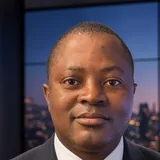
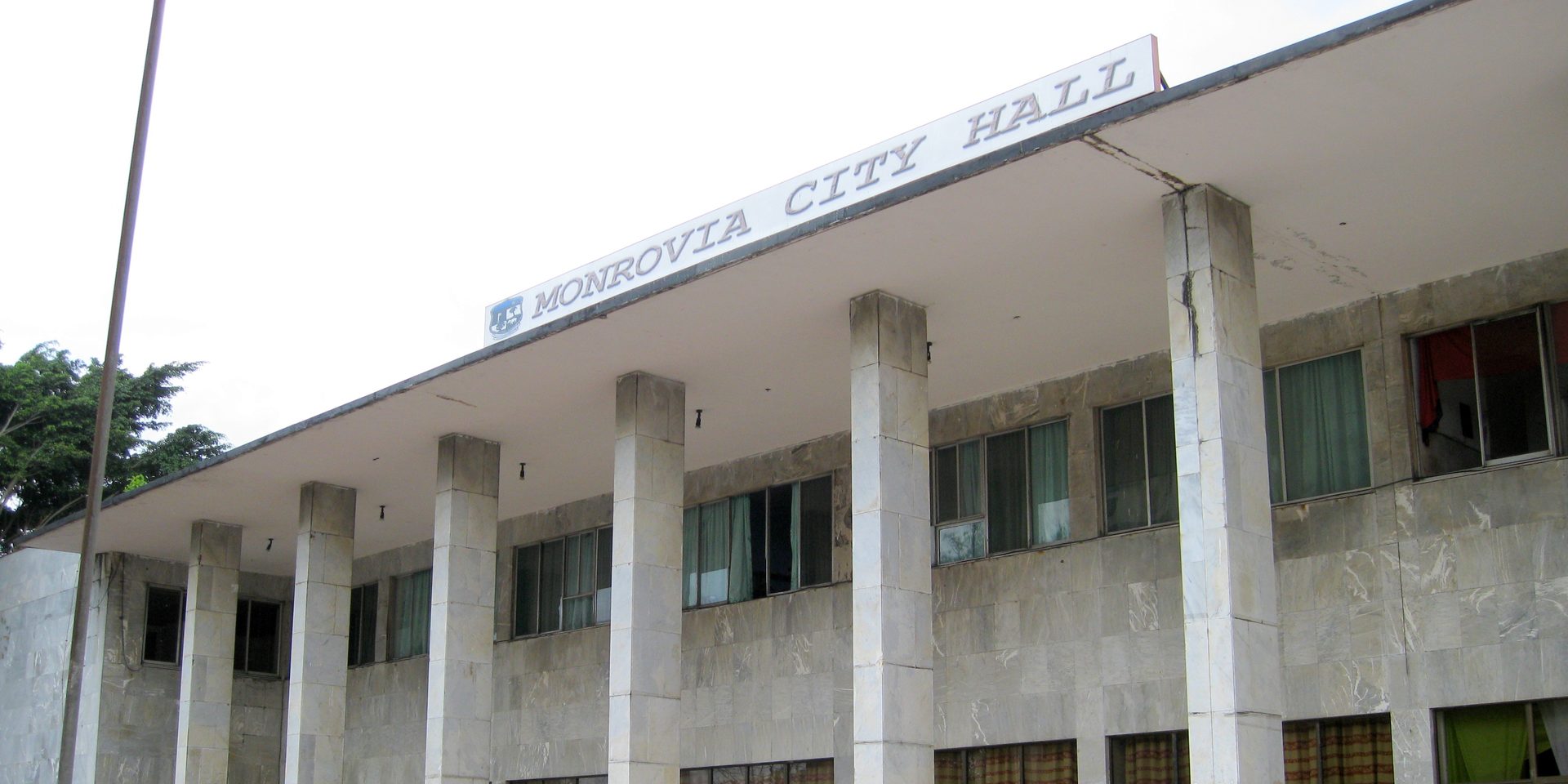
Mayor-designate James Kpadeh Mulbah has asked Liberian senators to raise the Monrovia City Corporation’s proposed 2027 budget to US$14.5 million, saying the amount now earmarked, about US$8.5 million, is not enough for the capital’s sanitation, drainage and waste-disposal work (GTV Online News; Oracle News Daily).
He made the request when the Senate’s local-government panel heard him, according to both outlets, which reported the session on Sunday, Nov. 22. The additional US$6 million is still a request. Senators have not, in the reporting opened for this story, approved the figure, and Mulbah has not yet been confirmed as mayor.
President Joseph Nyuma Boakai nominated him to the post on Nov. 11, in an Executive Mansion release that listed “Hon. James Kpadeh Mulbah – Mayor” among appointments affecting the Monrovia City Corporation and other agencies. The same release said that “nominations and appointments, where applicable, are subject to confirmation by the Liberian Senate” (Executive Mansion).
Why he says the higher figure is needed
Mulbah told the committee that Monrovia has more potential municipal income than it collects. “Monrovia does not lack revenue opportunities; it lacks the systems to collect them,” he said, in wording reported by both GTV and Oracle.
His central budget argument, both outlets said, is that the city cannot fix long-running sanitation problems without money for a new cell at the Cheesemanburg dump and for repairs at waste-transfer sites. He thanked the president for proposing an increase in the corporation’s allocation, then said that proposed sum would still fall short (GTV; Oracle).
The hearing was a presentation of plans, not a report of work already done. Whether those plans go ahead depends on confirmation and on later budget decisions.
The program he outlined
Oracle described the package as a six-pillar agenda covering domestic revenue, waste management, beautification, climate resilience, coordination with other institutions, and outside financing. GTV reported the same main parts in more detail.
On revenue, Mulbah proposed a Digital Monrovia Revenue Registry: a central record of businesses and properties, each with a municipal identification number, for billing, tracking and enforcement (GTV; Oracle). He argued that better collection would reduce leaks in the system and lessen reliance on the national budget and donors (Oracle).
On waste, he called for assigned collection zones, posted schedules, and payments to contractors only after service is verified (GTV; Oracle). He also proposed a “Separate Your Waste” pilot in Sinkor, to encourage households and businesses to sort refuse before pickup and to open work in recycling, composting and related activity, including jobs for young people (GTV; Oracle).
He proposed planting and landscaping along Tubman Boulevard, Somalia Drive and other main approaches to the city, and said he wanted partners’ help to plant 200,000 indigenous, climate-resilient trees (GTV; Oracle). For flooding, he sketched a Monrovia Drainage Maintenance Programme with the Ministry of Public Works, to map drains, keep them clear and keep garbage out of waterways (GTV; Oracle).
GTV said he also pledged to strengthen the Monrovia City Police so municipal rules are actually enforced.
The first 100 days, if he is confirmed
If the Senate confirms him, Mulbah said his first three months would start with a citywide look at revenue and waste operations: major dump points, existing revenue sources, a property and business database, and pilot collection zones (GTV; Oracle). GTV also listed early work on sites that need immediate cleaning or beautification, and on transfer and disposal facilities.
Beyond the national budget, he proposed a vehicle he called the “Monrovia Green and Sustainable City Investment Programme,” to package projects for development partners, climate finance and private investors (GTV). He listed, as partners he would need, the presidency, finance, public works, internal affairs, the environmental agency, the revenue authority, the water and sewer corporation, the national police and Paynesville’s city government (GTV; Oracle names a similar core group, without every agency GTV listed).
GTV quoted a closing pledge: “I commit to lead with integrity, transparency and accountability; to report regularly to the people of Monrovia on what we have achieved and where we have fallen short.”
None of that is in force until he is confirmed and the budget is enacted. The next step to watch is the Senate’s confirmation decision, and whether the US$14.5 million request is written into the 2027 budget as presented, reduced, or refused.
More from Liberia
All Liberia →
From The Signal
Liberia and Africa's top stories, fact-checked, free
When a new briefing is ready
All regular topics by default; Breaking alerts are optional. Confirm by email, then change your picks anytime. Choose topics first. No spam. Unsubscribe anytime.