Pretoria marchers demand a ban on Nigerians, as Abuja's envoy warns patience is wearing thin
The March and March movement marched into Sunnyside, a suburb with a large Nigerian community, and its legal counsel called for a border ban on Nigerians. The group also wants South Africa to quit the 1951 Refugee Convention.

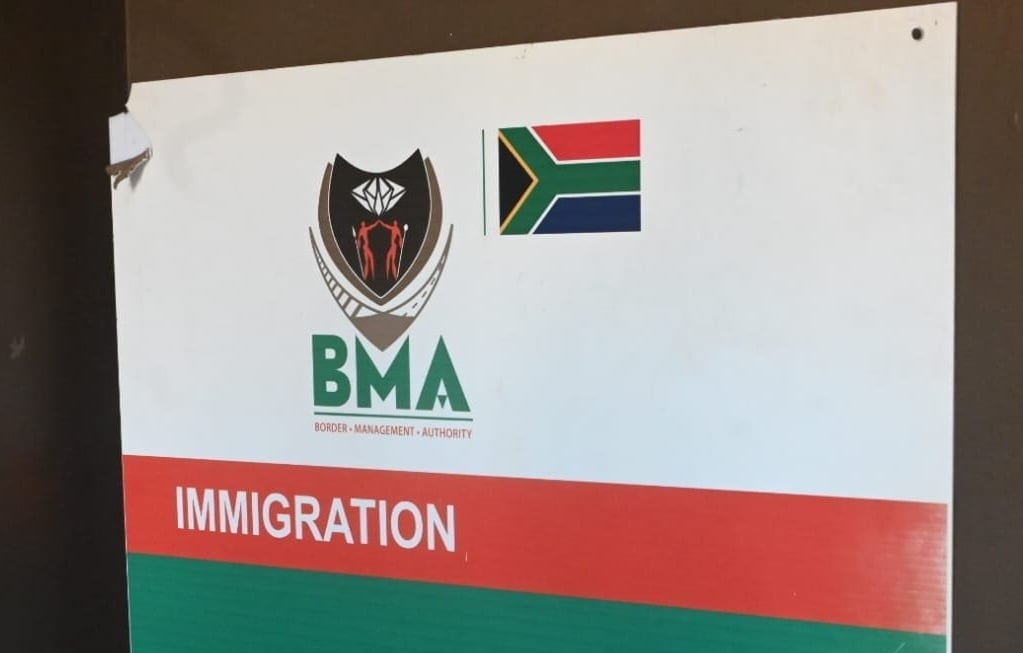
An anti-immigrant group marched through Pretoria on Wednesday, Nov. 18, demanding that South Africa shut its borders to Nigerians. The March and March movement, led by Jacinta Ngobese-Zuma, entered Sunnyside, a suburb with a large Nigerian community that is often called “Little Lagos” (BusinessDay NG).
The group’s legal counsel, Xolani Zuma, called for a full ban on Nigerians entering South Africa (BusinessDay). The marchers accused Nigerians of drug trafficking and blamed them for social problems. Those are the protesters’ accusations, not established facts, and The Signal isn’t repeating them as fact. Ngobese-Zuma said migrants strain public services, and called the situation “not sustainable and not feasible.”
What the group wants
March and March is calling on the government to withdraw from the 1951 U.N. Refugee Convention, stop accepting new refugees and speed up deportations of undocumented foreign nationals (EWN). It took those demands to the Department of Home Affairs in Hatfield, where EWN reported that some shops along the route closed their doors as the march passed. EWN also notes that the march came during an ongoing court fight over the detention of undocumented asylum seekers, including High Court proceedings involving 33 people held at the Lindela repatriation centre.
The diplomatic backdrop
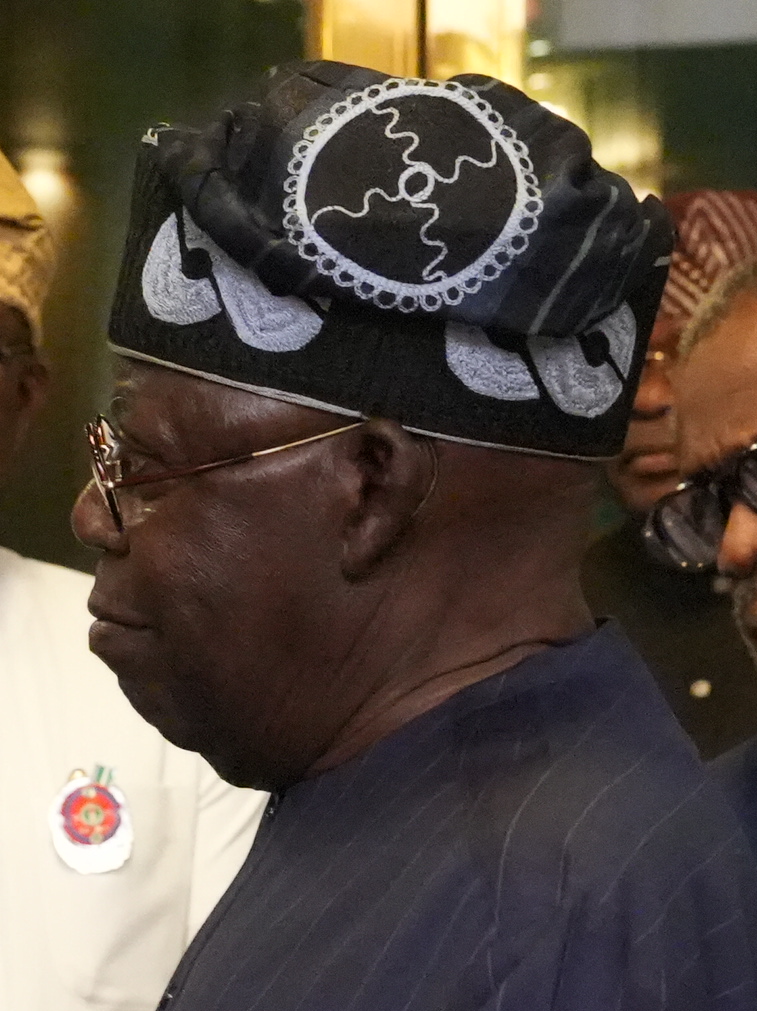
The march comes after a diplomatic row. Nigeria’s high commissioner to South Africa, Femi Fani-Kayode, clashed with the South African presidency the week before the march after his prepared speech was left out when he presented his credentials. He said the row ended after President Cyril Ramaphosa stepped in (BusinessDay). Fani-Kayode called those behind xenophobic attacks a small group that shouldn’t define South Africans, and said most South Africans are decent and welcoming. He also warned that patience in Abuja was wearing thin over repeated attacks on Nigerians (BusinessDay).
Why it matters
Liberians and other West Africans live and work in South Africa too. A movement that now names Nigerians says “the rest of Africa, we are fine.” That’s a promise nobody should rely on. The Signal hasn’t found any advisory from Liberia’s embassy in Pretoria. Neither report includes a response from Home Affairs to this march, but on Nov. 19 the government’s Inter-Ministerial Committee on Migration, briefing through Justice Minister Mmamoloko Kubayi, said no group “has the authority to assume the immigration enforcement responsibilities of the State” and that “violence, criminal intimidation and incitement will be dealt with decisively” (SAnews).
What’s next
Watch for Home Affairs’ response to the group’s demands, any official word from Abuja or Pretoria, and whether further marches are planned.
More from Nigeria
All Nigeria →- Photo: Foreign, Commonwealth & Development Office, CC BY 2.0. Cropped by the Commons uploader
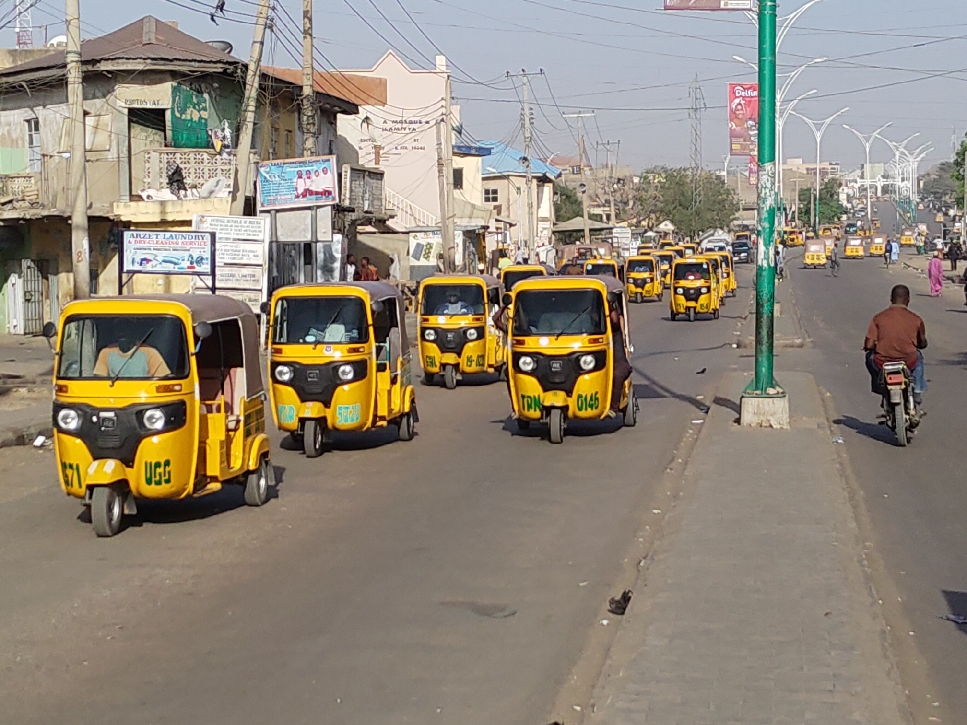
- Photo: Dotun55, CC BY-SA 4.0
- Illustration: The Signal
From The Signal
Liberia and Africa's top stories, fact-checked, free
When a new briefing is ready
All regular topics by default; Breaking alerts are optional. Confirm by email, then change your picks anytime. Choose topics first. No spam. Unsubscribe anytime.