Civil society presses Boakai to explain the U.S. deportee deal
Two civic groups want the terms, costs and a legislative review of the deal to take up to 1,200 non-Liberians. AFP says 25 more arrived Nov. 20. The New York Times reported a US$5 million U.S. approval; Liberia denies compensation.

- : Clarification: The New Dawn credits the Aug. 18, 2026, announcement that as many as 1,200 people could come in a year to the government, not to Information Minister Jerolinmek Piah by name. We now say so; the Investigator, citing the AP, attributes it to Piah.
- : Correction: An earlier version credited the quote "guests of the Republic" to The New Dawn. The New Dawn reports the government's position without quoting the phrase. We now attribute the quote to Information Minister Jerolinmek Piah, per The Liberian Investigator, citing Al Jazeera. The New Dawn still supports that arrivals are free to leave or to seek asylum under Liberian law. The headline was also shortened from "Civil society presses Boakai to explain Liberia's deal to take U.S. deportees" to meet the house 66-character limit.
- : Update: The story gave a reported total of 36 arrivals, from The New Dawn's count of groups on Aug. 20 and Oct. 12. AFP reported on Nov. 21, citing Liberia's refugee commission, that 25 more people arrived on Nov. 20, so that total was out of date. The story now lists each reported group, notes where reports differ (The Monrovia Times put the total at 61 on Nov. 23, its own sum) and says no official total has been published. It also described the US$5 million as unverified; it now gives The New York Times account, citing State Department documents, that the U.S. approved the payment, next to the Liberian government's denial. The Signal could not open the Times article and relies on AFP and Africa Confidential for it; they differ on whether money was approved or paid, and the Times report is from August, before Aug. 24.
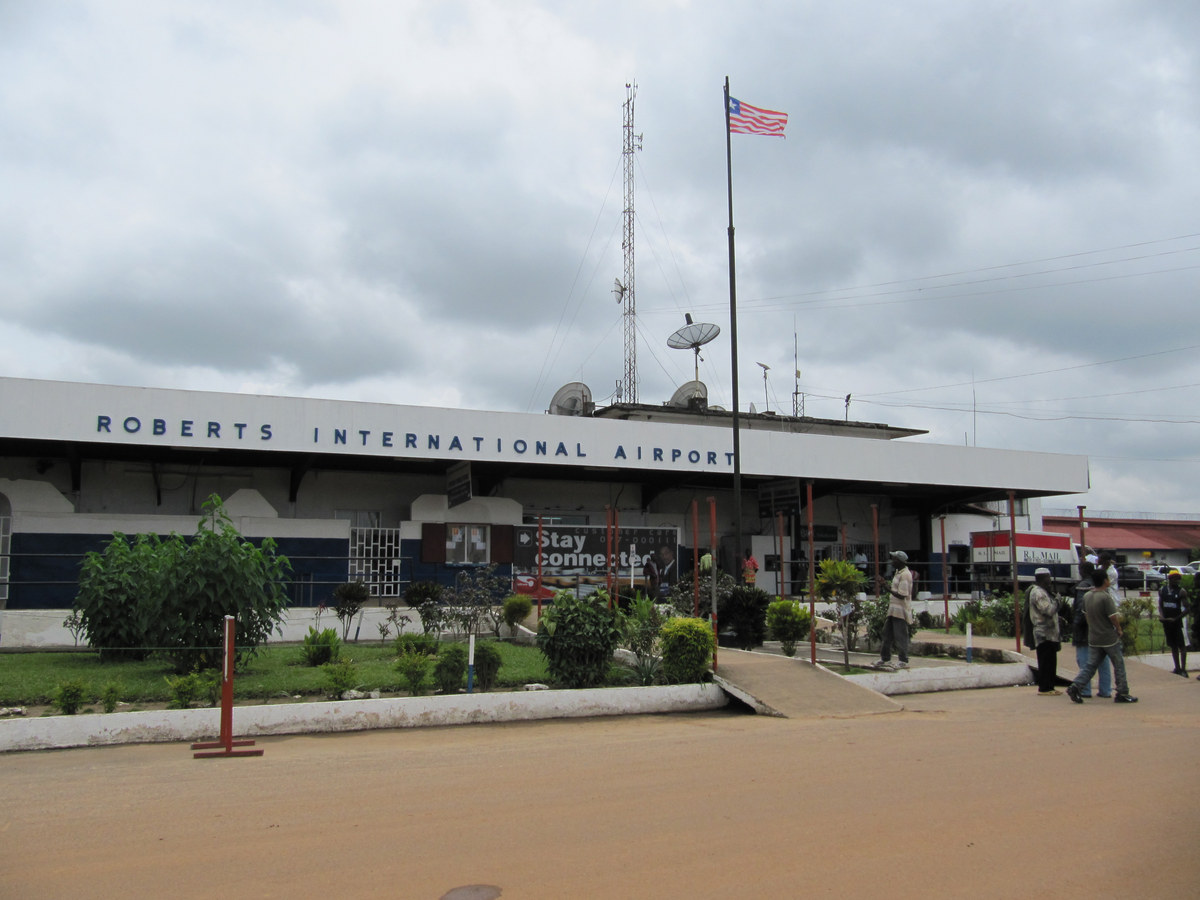
Liberia agreed to take in people the United States is deporting, and they aren’t Liberians. Now two civic groups — NAYMOTE Partners for Democratic Development and the Angie Brooks International Centre (ABIC) — want the Boakai administration to open the books. They have called for clearer disclosure, oversight by the Legislature, and an independent look at whether the country can manage the arrivals (The New Dawn).
NAYMOTE Executive Director Eddie D. Jarwolo wrote to Sen. Abraham Darius Dillon, chair of the Senate Committee on Foreign Affairs, asking whether the Legislature scrutinized the agreement before it took effect (The New Dawn).
Developing: Jarwolo also asked about a reported US$5 million payment: “Has your committee verified whether the alleged US$5 million, or any other financial or material support, was received, under what conditions, and what safeguards ensure transparent management, independent audit, and public reporting?”
The figure traces to The New York Times, which reported in August, citing internal State Department documents, that the U.S. approved US$5 million in December, after Liberia said it would consider taking third-country migrants (AFP via Arab News; Africa Confidential, which says it was “signed off” then). AFP’s version says Washington “made” a payment. The Signal has not seen the documents or opened the Times article, so it cannot say what was paid, when or why.
The government denies receiving compensation. Its August statement said Liberia “has not demanded or received any compensation or promise of rewards in exchange for its consent to participate” (AFP via Arab News), adding that it would get support to manage the program (EFE). On Aug. 25 Information Minister Jerolinmek Piah repeated that and said Liberia “will not spend a dime” on the people expected (AFP via Arab News; ELBC). The Liberian Investigator reported Monrovia’s position that Washington and an international partner would pay for housing, meals and onward travel.
What Liberia actually signed
- What it is: an agreement “to Cooperate in the Examination of Protection Claims”, made by exchange of diplomatic notes. The U.S. Embassy proposed it on Sept. 4, 2025, and the Foreign Ministry accepted it on Sept. 10, 2025, the day it took effect (The Liberian Investigator).
- Who it covers: people who are not Liberian, already in the United States, who say they would be at risk if returned to their own countries. Liberian citizens are outside its scope, and unaccompanied minors may not be transferred (The Liberian Investigator).
- Who decides: the U.S. may propose transfers, and Liberia may accept or decline each one “in whole or in part”. Liberia does not have to take any particular person (The Liberian Investigator).
- How many: the text of the agreement does not fix a headcount. On Aug. 18, 2026, the government announced that as many as 1,200 people could come in a year (The New Dawn); the Investigator, citing the AP, attributes the announcement to Information Minister Jerolinmek Piah.
- How many so far: no official running total has been published, and reports differ. The government said 20 people arrived on Aug. 20 (The New Dawn); AFP, citing a government source, and a New York Times report in The Boston Globe, quoting Foreign Minister Sara Beysolow Nyanti, said only 15 got off. Another 16 were reportedly transferred on Oct. 12 (The New Dawn; Third Country Deportation Watch also lists 16). On Nov. 20, 25 more people landed, most from South America, an official of Liberia’s refugee repatriation commission told AFP (Le Devoir, AFP); its director, Jerror Cole Bangalu, confirmed more arrivals to EFE on Nov. 24. The Monrovia Times put the total at 61 on Nov. 23, its own sum. AFP calls that the third group and dates the second, of 15, to Aug. 25, which conflicts with the Oct. 12 reports; The Signal hasn’t resolved the difference.
- Money: the agreement doesn’t commit either government to spend money (The Liberian Investigator).
- Still secret: the operating procedures the two governments agreed to sign before transfers began have not been made public (The Liberian Investigator).
Why it matters
The government calls the arrangement humanitarian. It says the arrivals are “guests of the Republic” (Information Minister Jerolinmek Piah, per The Liberian Investigator, citing Al Jazeera), free to leave or to seek asylum under Liberian law (The New Dawn). Cllr. Dr. Yvette Chesson-Gibson, who heads ABIC, says humanitarian goals shouldn’t override Liberia’s economic, legal, security and social capacity. ABIC wants to know how long outside money lasts, what Liberia gains and who pays when support ends. It is also calling for an independent multidisciplinary review, and says the government should consider amending, suspending or ending the deal if Liberia’s interests aren’t protected (The New Dawn).
There is also a constitutional question. Senator Samuel Kogar of Nimba County has cited Article 57 of the constitution, which requires both houses to concur in treaties and similar agreements. The executive treats the deal as a cooperation arrangement within its own authority, and no court has ruled on it (The Liberian Investigator). Either government can end the deal with written notice (The Liberian Investigator), so the Legislature’s questions aren’t academic.
What’s next
Sen. Dillon’s committee has the NAYMOTE letter. Neither report includes a reply from the committee or the Executive. In Washington, U.S. Sen. Tim Kaine filed S. Res. 886 on Sept. 23, asking the State Department to report on Liberia’s human-rights practices toward people transferred under the deal. It is a request for information, not a finding, and no action has been recorded since it was referred to committee (The Liberian Investigator).
More from Liberia
All Liberia →
From The Signal
Liberia and Africa's top stories, fact-checked, free
When a new briefing is ready
All regular topics by default; Breaking alerts are optional. Confirm by email, then change your picks anytime. Choose topics first. No spam. Unsubscribe anytime.