South Africa's Reserve Bank holds its key rate at 7.25% in a split vote
Four of the seven Monetary Policy Committee members preferred no change and three wanted a 25-basis-point increase. Inflation is at 5.2%, and the next decision is due on Jan. 28, 2027.
- Fact-checked by The Signal senior editor,
- Approved by Joseph Dorbor,
- Updated
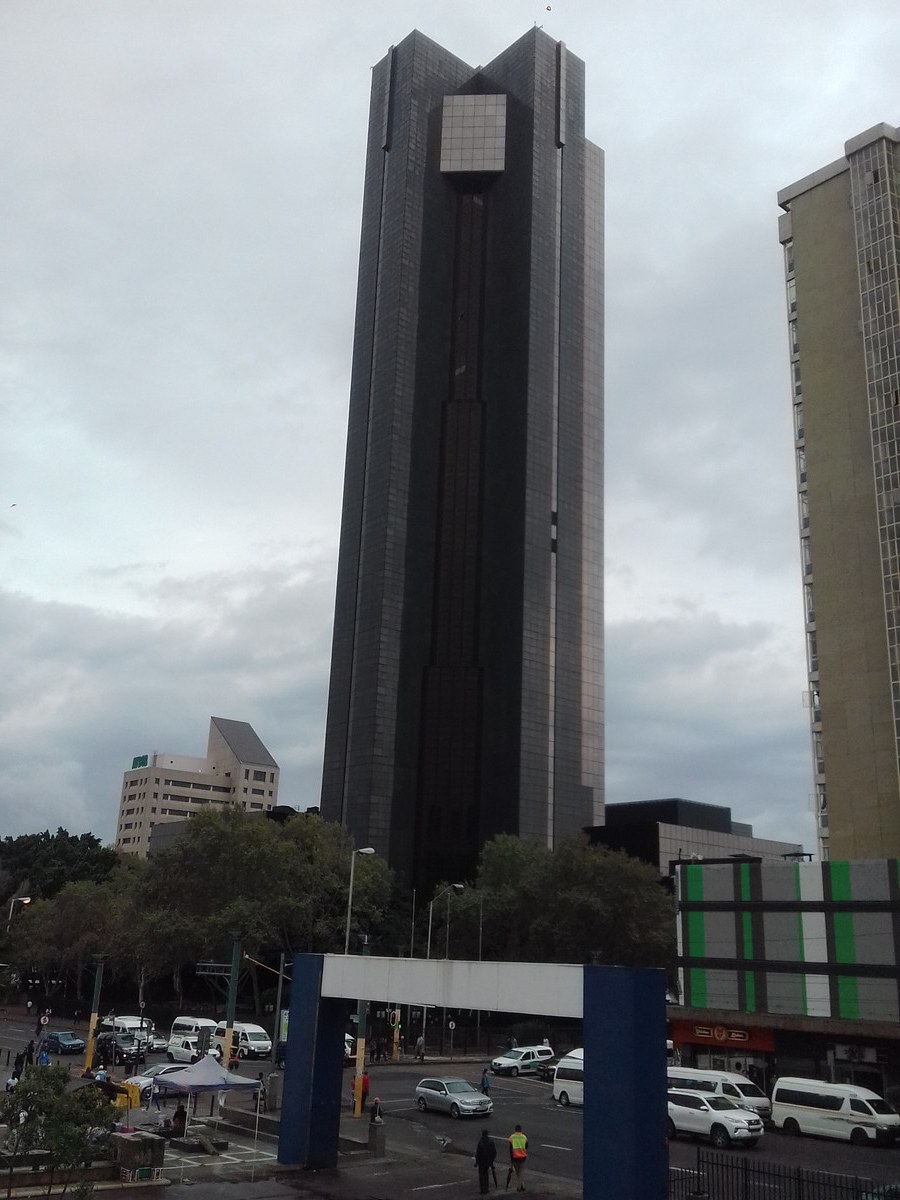
The South African Reserve Bank’s Monetary Policy Committee left the policy rate unchanged at 7.25% on Thursday, with four members preferring no change and three favouring a 25-basis-point increase (SARB statement; Moneyweb).
Governor Lesetja Kganyago said: “After two policy adjustments this year, and with a moderately restrictive policy stance, we decided to pause for now. We are mindful of risks, and will not hesitate to raise rates if needed, to return inflation to target over the policy horizon” (SARB; also quoted by Moneyweb). The Bank’s inflation target is 3%, with a tolerance band of plus or minus 1 percentage point (SARB).
Inflation is at 5.2%, above that target, “mainly because of fuel costs,” the statement said. Fuel inflation is around 40%, and “petrol is almost R30 a litre now, up from R21 a year ago.” Over a third of all inflation in the country is coming from transport, Kganyago said. The Bank expects readings above 5% to continue into the first part of 2027. Later in the forecast, inflation eases somewhat, largely because the year-on-year comparisons will have moved on from fuel prices set before the war (SARB). Moneyweb reported that Statistics South Africa had the day before published the rise in inflation to 5.2% in October.
The decision to hold means South Africa’s prime lending rate remains at 10.75%, Moneyweb reported.
The outlook
The Bank assesses inflation risks to the upside. It pointed to fuel prices exposed to geopolitical risks, a possible El Niño effect on food prices, and an upward trend in core inflation that it said needs to reverse if price-setters are aligning with the 3% target. Food inflation is “bottoming out from current lows,” and the rand is “less appreciated, which affects import prices” (SARB).
Growth is envisioned to pick up to about 2% a year over the forecast period, from just over 1% now. There was a contraction in the second quarter, “with the onset of the war,” the governor said, and a gradual recovery is under way, mainly from domestic wholesale and retail trade. Longer-term growth, he said, will have to come from investment: fixed investment is about 13% of output, “well below historical peaks, and also one of the lowest rates in the world” (SARB).
The Bank also sketched two risk scenarios. In one, oil peaks at $130 a barrel with elevated refinery margins, leaving headline inflation above 5% next year, growth around 1%, and the policy rate higher by around two hikes. In a second, global bond yields rise and the rand weakens, with similar results (SARB).
The Quarterly Projection Model continues to show lower rates next year as inflation falls back towards 3%, Kganyago said, but that path is “a broad policy guide.” Decisions will still be taken meeting by meeting. 2026 has been “a challenging year,” he said: inflation has been much higher than expected, growth lower, and unemployment rising, “mainly [from] negative supply shocks from geopolitical conflicts” (SARB).
The next statement of the Monetary Policy Committee will be released on Jan. 28, 2027. Later 2027 meeting dates listed by the Bank are March 18, May 27, July 22, September 29 and November 25. The next inflation print is due on Dec. 15 (SARB).
Sources & verification
Verified Key facts confirmed by a primary source or at least two independent credible sources.
- South African Reserve Bank: Statement of the Monetary Policy Committee, November 2026 Primary accessed
- Moneyweb: Sarb holds rates steady (Nov 19) Secondary accessed
- Fact-checked by The Signal senior editor,
- Approved by Joseph Dorbor,
- Updated
For information only, not financial, investment, legal or medical advice. Items labeled Developing or Unverified may change. Linked posts and sites aren't endorsements; illustrations are artwork, not photos. Disclaimer
Liked this? Get the daily briefing in your inbox.
Pick the topics you want, from Liberia and Africa to business, tech and sports, or get Everything. Fact-checked and free.
Subscribe